World Migratory Bird Day: celebrating the birds of Vipingo Ridge
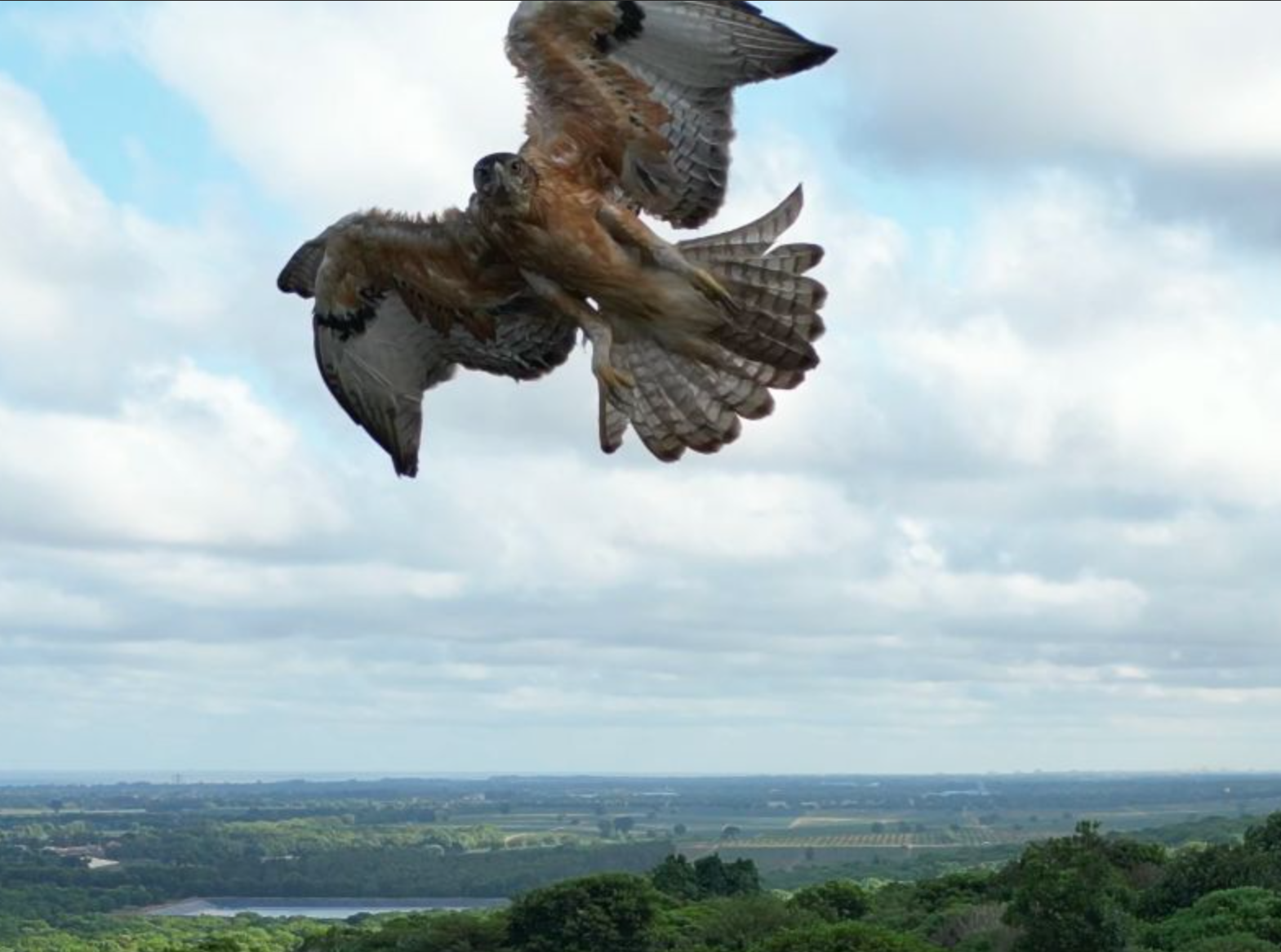
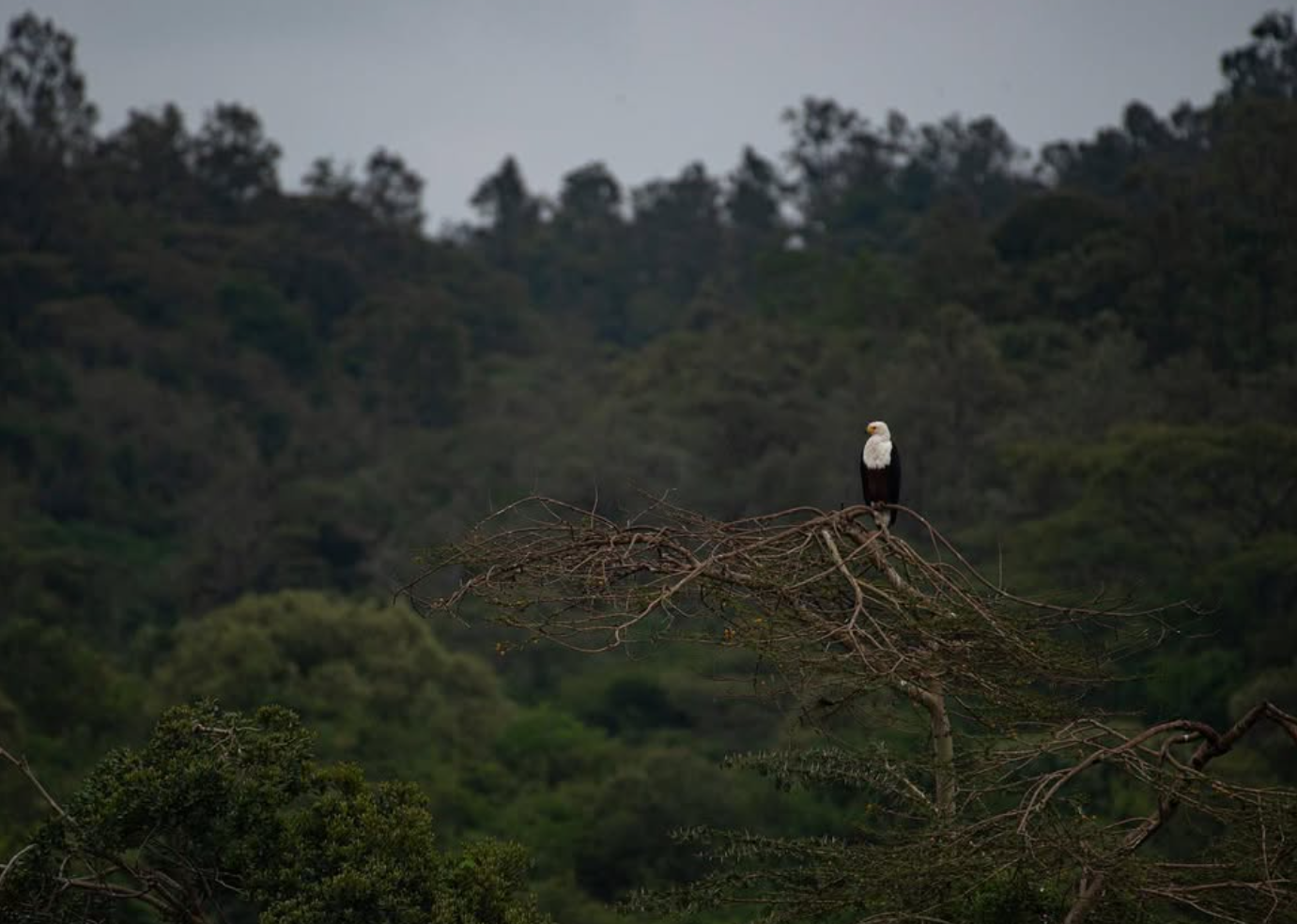
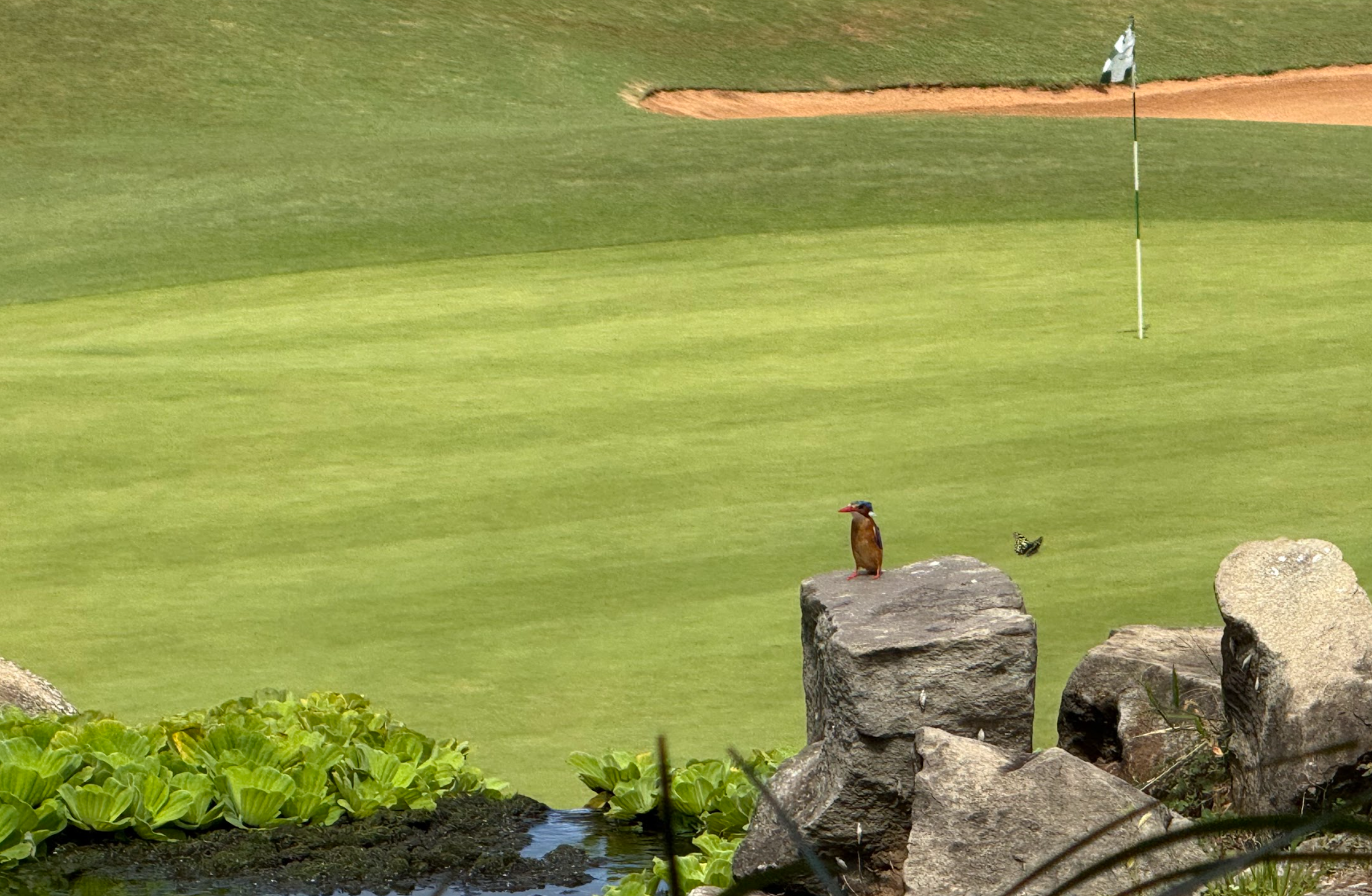
Our keen residents and guests are often alerting us to the diverse and exciting species of birds within our grounds, with the casual total identifying potentially over 300 species of birds at Vipingo Ridge and Vipingo Ridge Beach Club.
From the resident Fish Eagles to the pair of Palm Nut Vultures soaring above, to Thick-nees on the road sides and our Cormorant in residence at the Clubhouse, to our striking migratory Carmine Bee Eaters, we are honoured to welcome many bird species to our restored habitats. This is an incredible diversity of species, but not exactly a scientific count.
So when a visitor from Netherlands, Bird Observer Sjoerd IJzerman, offered to pursue his passion for birds by creating a bird list at our Wildlife Sanctuary, and share his findings, we were excited to see the results.
Sjoerd is a dedicated birder whose multi-week survey has produced a comprehensive bird inventory. The results are extraordinary: nearly 140 species documented, including forest specialists, wetland jewels, raptors, grassland birds, and most unexpectedly a remarkable collection of oceanic seabirds, many of which are almost never seen from Kenya’s shores (due to an unusual weather front, more on this later).
This isn’t just a bird list, it’s a testament to the rich, conserved, and thriving ecosystem that makes Vipingo Ridge not just a place to live, but a place to discover, explore, and enjoy.
A study of the Vipingo Ridge bird life: The Bird List
Conducted in August 2025 over a 2 week period, Sjoerd utilised his equipment, patience and technology, to identify species of birds in our two key areas, the 2,000 acres of Vipingo Ridge and our 5-acre Vipingo Ridge Beach Club and the surrounding Kuruwitu beach and Indian Ocean.
Sjoerd complied a list of species identified, noting only two exotic species and 127 additional birds at Vipingo Ridge, and 11 additional seabirds.
These birds are listed below, please note the key for interest:
BOLD - New for Vipingo Ridge* according to the E-bird checklist for our location: https://ebird.org/hotspot/L4022409/
UNDERLINED - Rare or uncommon in Kenya
*- Rare or uncommon in the Kilifi Area
(HO) - Heard Only, no visual identification
1. White-faced Whistling Duck
2. Helmeted Guineafowl
3. Crested Francolin
4. Slender-tailed Nightjar
5. Mottled Spinetail
6. African Palm Swift
7. Little Swift
8. Black Saw-wing*
9. Ethiopian Swallow
10. Lesser Striped Swallow
11. Mosque Swallow
12. White-Browed Coucal
13. Green Malkoha
14. Diederik Cuckoo
15. Klaas's Cuckoo
16. Red-eyed Dove
17. Ring-necked Dove
18. Emerald-spotted Wood Dove
19. Tambourine Dove
20. Little Grebe
21. Water Thick-knee
22. African Jacana
23. Common Sandpiper
24. Gull-billed Tern
25. African Darter
26. Reed Cormorant
27. Hadada Ibis
28. Black-crowned Night Heron (HO)
29. Black Heron
30. Little Egret
31. Little Heron (Striated Heron)
32. Malagasy Pond Heron
33. Great Egret
34. Yellow-billed Egret
35. Western Cattle Egret
36. Grey Heron
37. Purple Heron
38. Black-headed Heron
39. African Hobby*
40. African Harrier-Hawk
41. Palm-nut Vulture
42. African Cuckoo-Hawk*
43. Black-chested Snake Eagle*
44. Brown Snake Eagle*
45. Southern Banded Snake Eagle*
46. Bat Hawk
47. Lizard Buzzard
48. African Goshawk
49. Little Sparrowhawk
50. Black Goshawk
51. Black Kite
52. African Fish Eagle
53. African Wood Owl (HO)
54. Speckled Mousebird
55. Narina Trogon
56. Common Scimitarbill
57. Lilac-breasted Roller
58. Grey-headed Kingfisher
59. Brown-hooded Kingfisher
60. Mangrove Kingfisher
61. African Pygmy Kingfisher
62. Malachite Kingfisher
63. Pied Kingfisher
64. Olive Bee-eater
65. Northern Carmine Bee-eater
66. Green Tinkerbird
67. Yellow-rumped Tinkerbird
68. No. Red-fronted Tinkerbird
69. Brown-breasted Barbet
70. Pallid Honeyguide (HO)
71. Nubian Woodpecker
72. Mombasa Woodpecker
73. Pale Batis
74. Black-throated Wattle-eye
75. Forest Batis (HO)
76. Sulphur-breasted Bushshrike
77. Black-backed Puffback
78. Zanzibar Boubou
79. Black Cuckooshrike
80. Green-headed Oriole
81. Black-headed Oriole
82. African Golden Oriole
83. Fork-tailed Drongo
84. Blue-mantled Crst Flycatcher
85. African Paradise Flycatcher
86. House Crow
87. Eastern Nicator
88. Sombre Greenbul
89. Yellow-Bellied Greenbul
90. Tiny Greenbull
91. Terrestrial Brownbul
92. Northern Brownbul
93. Fischer's Greenbul
94. Common Bulbul
95. Little Yellow Flycatcher
96. Coastal Cisticola
97. Siffling Cisticola
98. Tawny-flanked Prinia
99. Black-headed Apalis (HO)
100. Grey-backed Camaroptera
101. Scaly Babbler
102. Black-bellied Starling
103. Violet-backed Starling
104. African Bare-eyed Thrush
105. Bearded Scrub Robin (HO)
106. White-browed Scrub Robin
107. White-browed Robin-Chat
108. Red-capped Robin-Chat
109. East Coast Akalat (HO)
110. Amethyst Sunbird
111. Collared Sunbird
112. Olive Sunbird
113. Scarlet-chested Sunbird
114. Purple-banded Sunbird
115. Parrot-billed Sparrow
116. House Sparrow
117. Grosbeak Weaver
118. Spectacled Weaver
119. Eastern Golden Weaver
120. Golden Palm Weaver
121. Village Weaver
122. Bronze Mannakin
123. Red-Cheeked Cordon-bleu
124. Red-billed Firefinch
125. Village Indigobird
126. Pin-tailed Whydah
127. African Pied Wagtail
128. Yellow-Throated Longclaw
129. Yellow-fronted Canary
Heat Map of the Bird Sightings: Where the Birds Thrive
The survey meticulously mapped activity across the estate, creating a living guide to daily discovery:
The Fairways & Open Greens: These spaces are not just for golf they’re vibrant bird corridors. The short grass and scattered perches attract Helmeted Guineafowl in foraging flocks, while the open sight lines reveal aerial displays from Black Saw-wings and Little Swifts. Raptors like the Black-chested Snake Eagle use these clear vistas to hunt, offering dramatic sightings against wide skies.
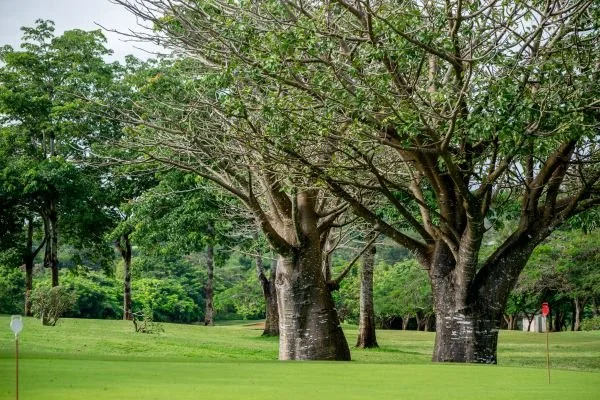
The Mango Forest & Woodlands: Here, the air feels different cooler, richer, layered with sound. This canopy shelters some of our most sought-after species: The Narina Trogon sitting quietly in mid-story branches, the Eastern Nicator delivering its loud, complex song from deep cover, and the Sulphur-breasted Bushshrike moving through the high leaves like a streak of sunlight.
Lake Victoria & Dam Areas: Water is life, and here it teems with it. The African Jacana steps delicately across lily pads, the Water Thick-knee stands sentinel at dusk, and a full spectrum of herons and egrets from the imposing Grey Heron to the delicate Little Egret patrol the shallows. This is where the iconic cry of the African Eagle Fish echoes most powerfully.
The Airstrip Scrub & Bushlands: Don’t overlook these bustling zones. They pulse with constant activity: Weavers chattering at their nests, Sunbirds shimmering as they feed, and Bulbuls providing the constant soundtrack. The Red-capped Robin-Chat flashes crimson from low perches, while the rarely-heard East Coast Akalat sings from deep within protective thickets.
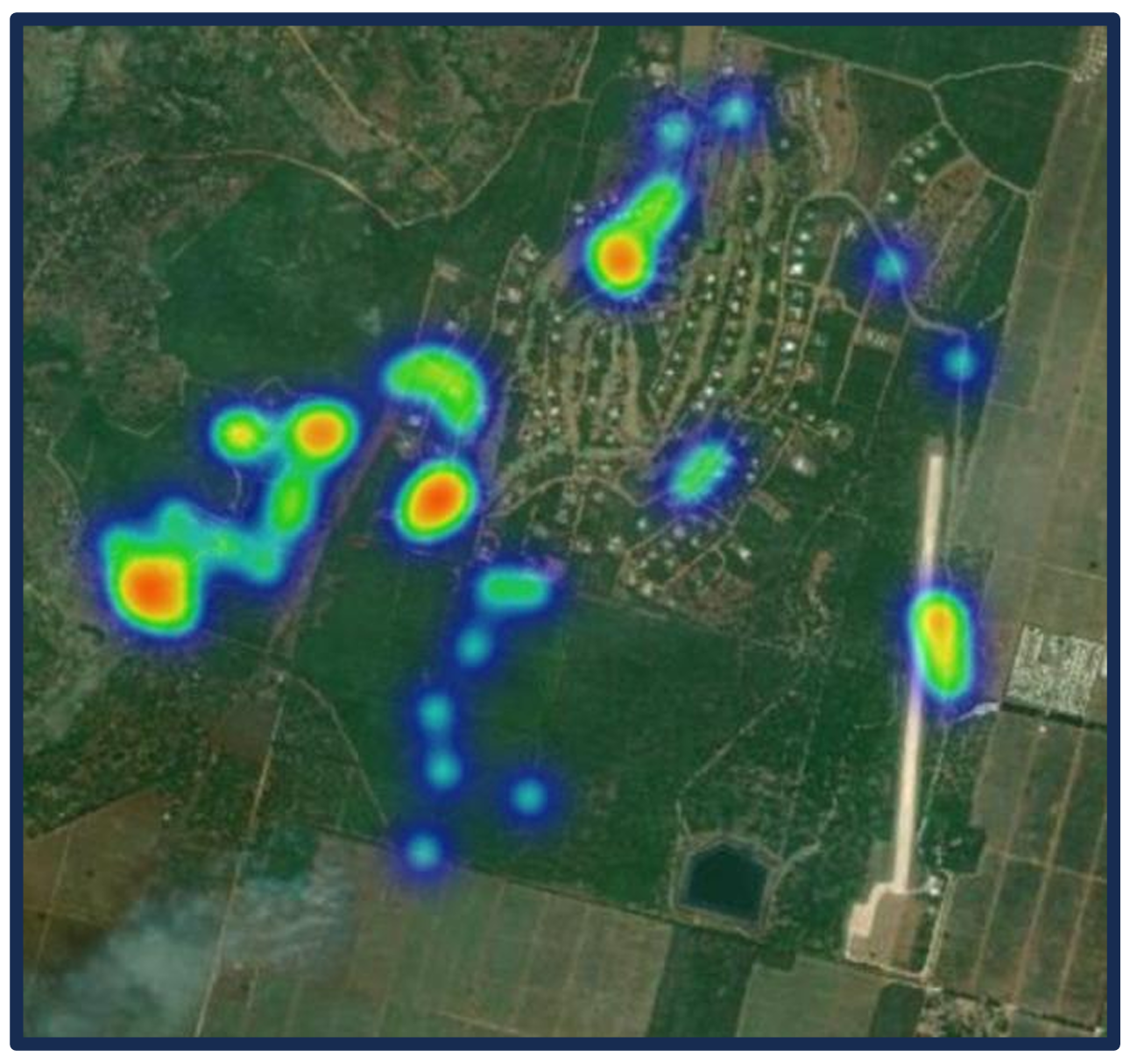
Birds of Vipingo Ridge: August 2025 sightings within the Wildlife Sanctuary
The Rare and the Remarkable: Kuruwti Beach Club and Beyond
Beyond sheer numbers, it’s the quality and rarity of the sightings that elevate Vipingo Ridge into a destination of national ornithological significance:
Storm-Driven Seabird Spectacle: The heavy rains and powerful ocean winds created a once-in-seasons phenomenon, delivering a fleet of pelagic birds to our coast. Species like the the Brown Noddy, and multiple Crested Terns offered a fleeting glimpse into the lives of birds that spend nearly their entire lives at sea. In addition to the other noted birds, the ‘Seabirds Watching’ portion of Sjoerd’s visit yielded an unprecendented sighting:
1. Eurasian Curlew
2. Terek Sandpiper
3. Brown Noddy
4. Sooty Tern
5. Bridled Tern
6. Gull-billed Tern
7. Common Tern
8. Roseate Tern
9. Lesser Crested Tern
10. Greater Crested Tern
11. Tropical Shearwater
The Tropical Shearwater (Puffinus bailloni)was a cause for particular excitement. A clear sighting we believe linked to the storm active near Madagascar around August 2025 was named Tropical Storm Awo, it is believed this blew the birds closer than usual to the Kenya Coastline.
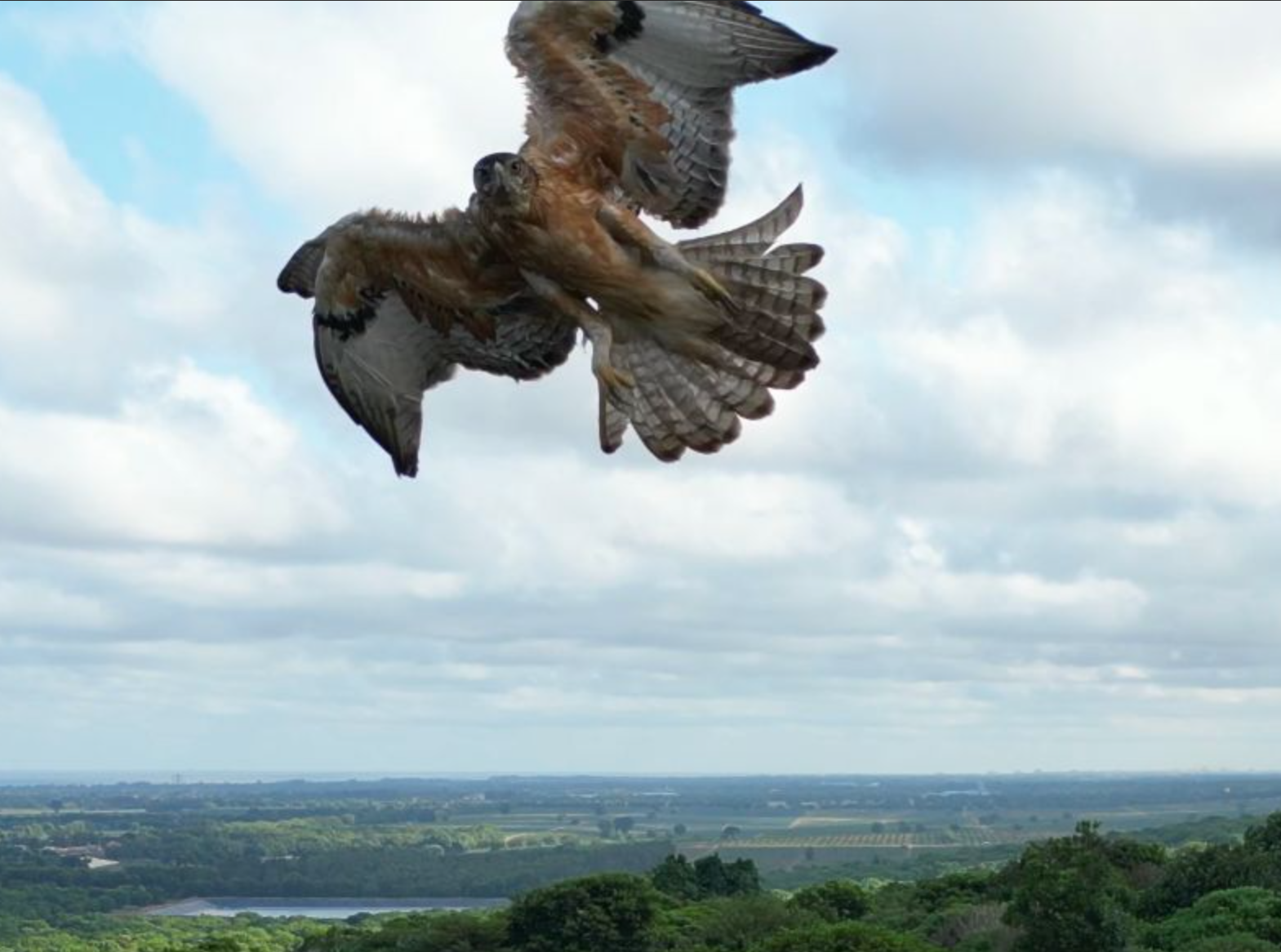
Elusive Raptors in Residence: The survey confirmed what careful observers have long sensed Vipingo Ridge is a haven for uncommon birds of prey. The crepuscular Bat Hawk, the enigmatic African Cuckoo-Hawk, and the powerful Fish Eagles aren’t just passing through; they’re residents, indicating a healthy, prey-rich environment that supports apex predators. We have been fortunate to collaborate with local conservationists, include Resident Duncan Mitchell on rapture rehabilitation and release, positioning our habitats firming as refuges for this impressive species.
A New Chapter for Discovery at Vipingo Ridge
This landmark survey reinforces a core truth: Vipingo Ridge is more than a beautiful address it’s a living, breathing ecosystem where luxury and nature exist in profound, daily conversation. The documented biodiversity isn’t accidental; it’s the direct result of intentional environmental stewardship, a commitment to preserving the natural character of the land while creating spaces for people to live, play, and connect.
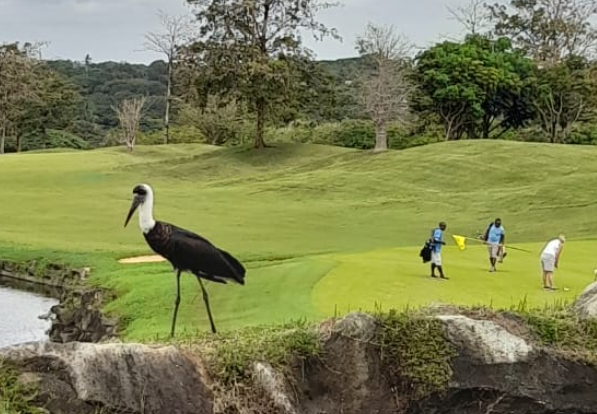
For our residents and guests, this transforms the experience of being here. A morning walk becomes a personal safari, with encounters ranging from the comical Speckled Mousebird to the majestic African Fish Eagle. A quiet moment by the lake becomes a session of peaceful observation, watching the hunt of a Pied Kingfisher. Even a round of golf becomes an immersion in a living landscape, where the game is played against a backdrop of swooping swallows and water birds.
We are not separate from this nature; we are part of it curators, observers, and beneficiaries of a landscape that gives back in beauty, tranquility, and wonder every single day.
Do you have a bird sighting at Vipingo Ridge that is missing from the list?
We thank Sjoerd whole heartedly for his inspiring passion and dedication this World Migratory Bird Day, his quiet professionalism and expertise in documenting his Vipingo Ridge experience was truly welcome as he shares his knowledge across his travels.
Is there a bird he didn’t get to see that you think is missing from the list? Please contact our team info@vipingoridge.com
You can also add your sightings to the online bird listing ‘Ebird’:
More Conservation Blogs at Vipingo Ridge: