First Baby giraffe born at Vipingo Ridge Wildlife Sanctuary
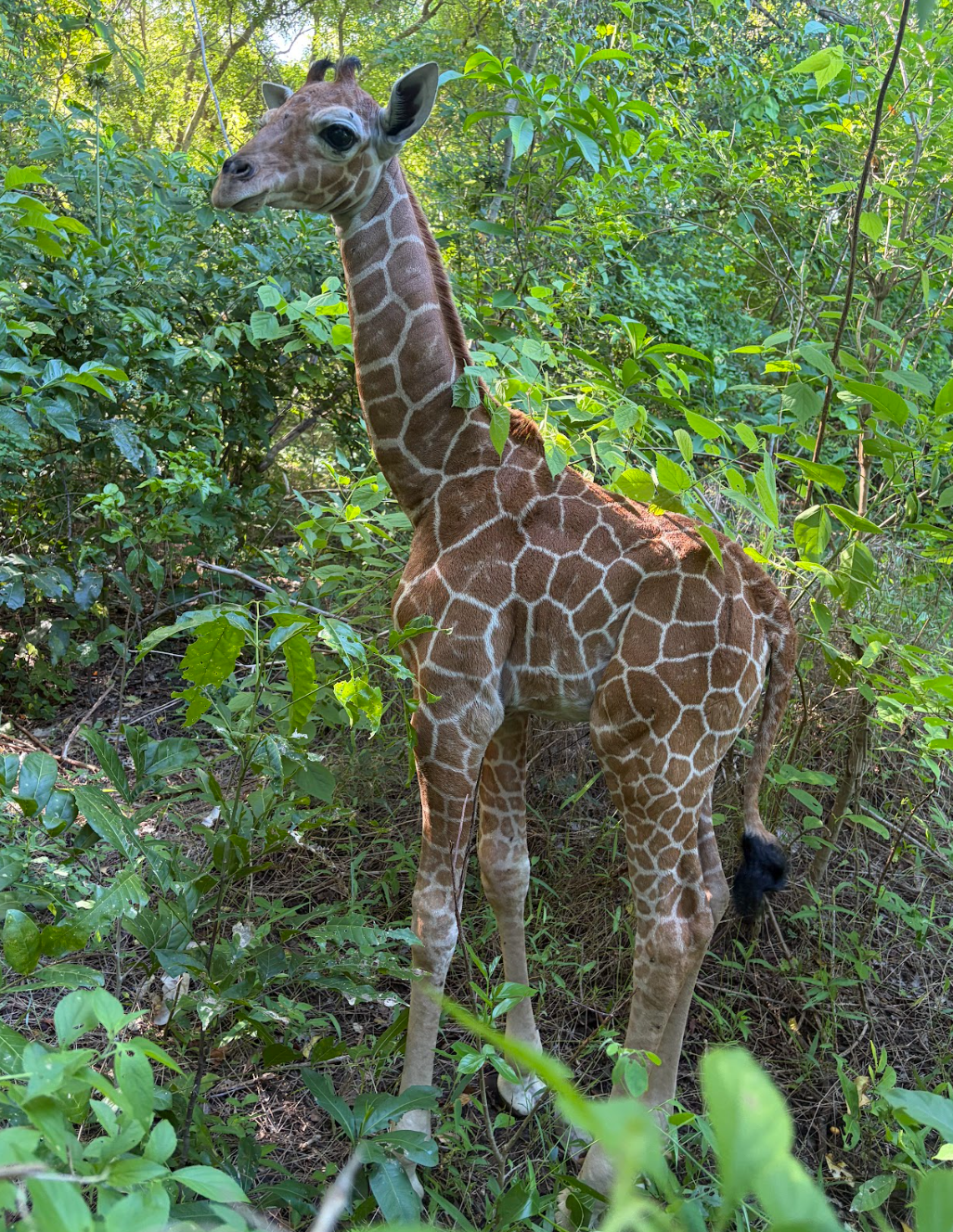
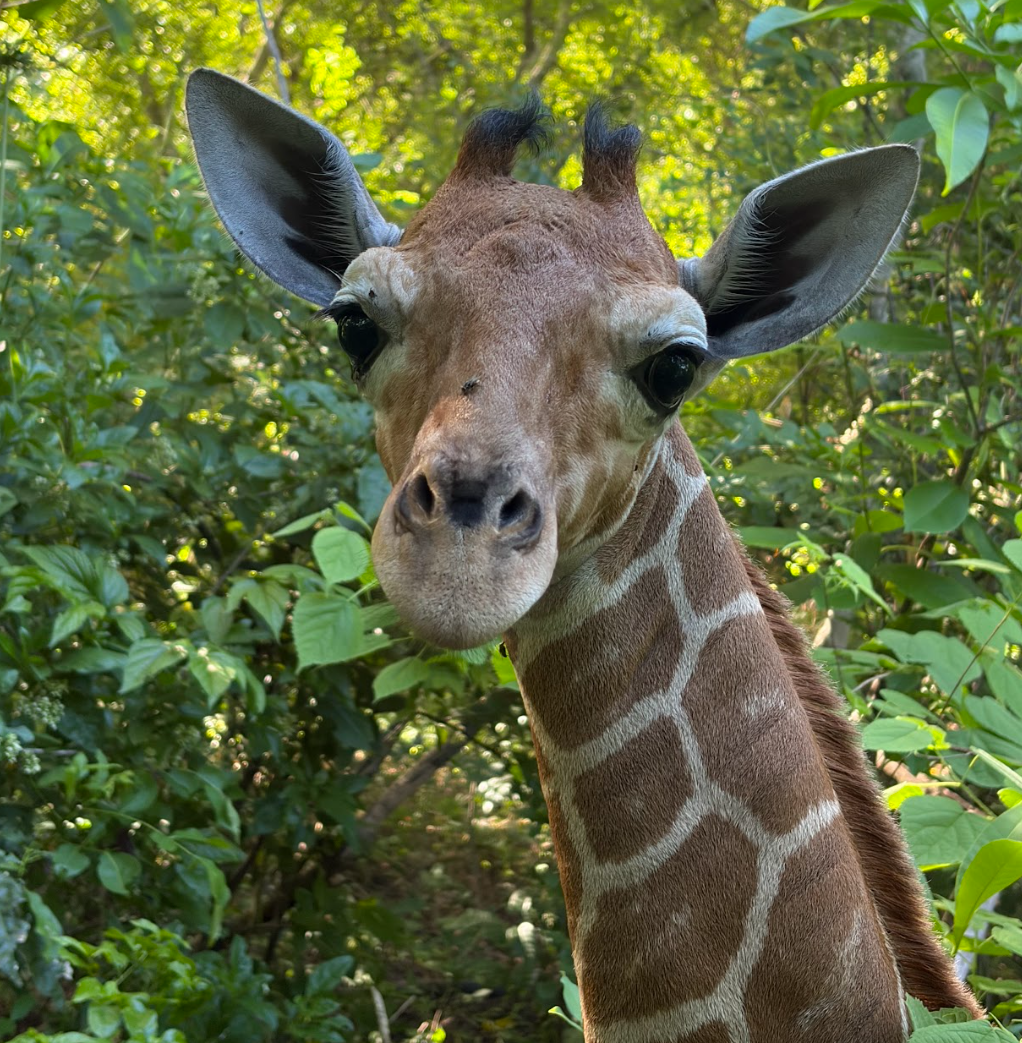
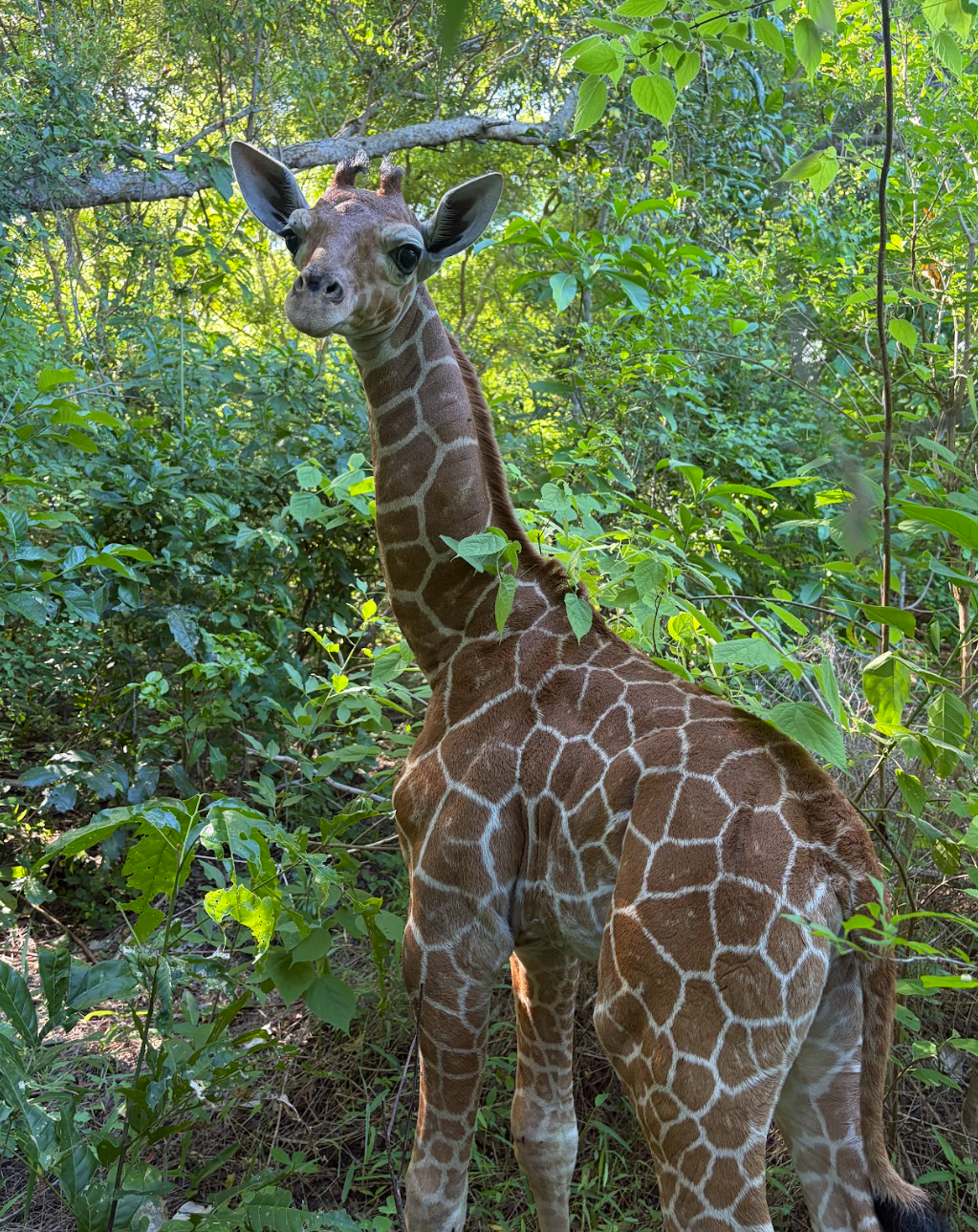
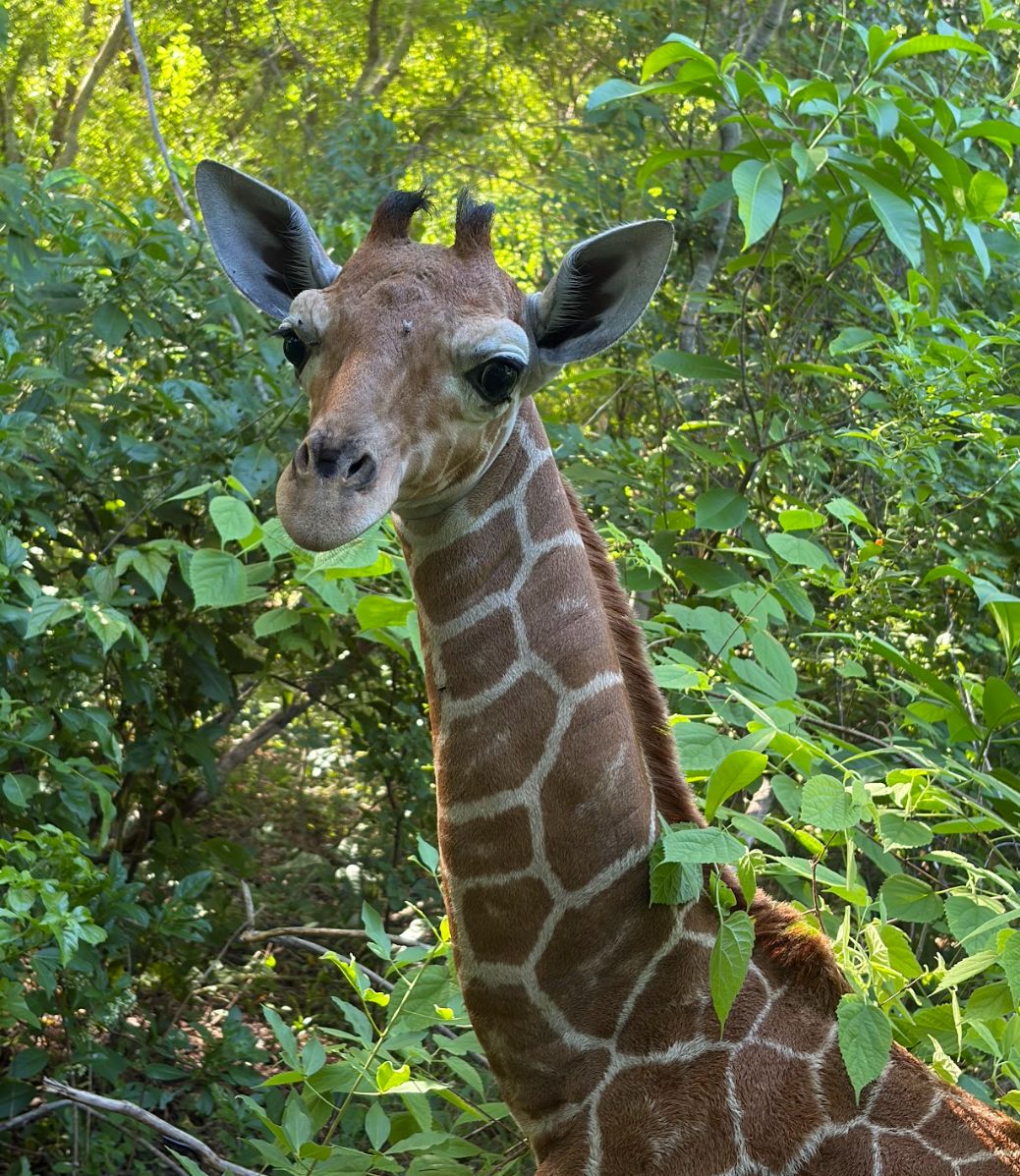
Coastal Conservation win, as first baby giraffe is born at the Vipingo Ridge Wildlife Sanctuary.
Two Reticulated giraffes, translocated from the Reteti Conservancy in Samburu County to Vipingo Ridge by Kenya Wildlife Services (KWS) five years ago, have celebrated an inspiring ecological milestone with the birth of a baby giraffe at the Kilifi-based lifestyle real estate development and licensed Wildlife Sanctuary.
Meet Luna - the newest member of the Vipingo Ridge Wildlife Sanctuary
The birth of the baby giraffe, named “Luna,” on a beautiful full moon night on 1st April, stands as a joyful testament to the success and promise of environmental conservation efforts through wildlife translocation in Kenya.
Pictured here at 1 hour old and taking her wobbly and uncertain first steps while being cleaned by first time mother Chaa:
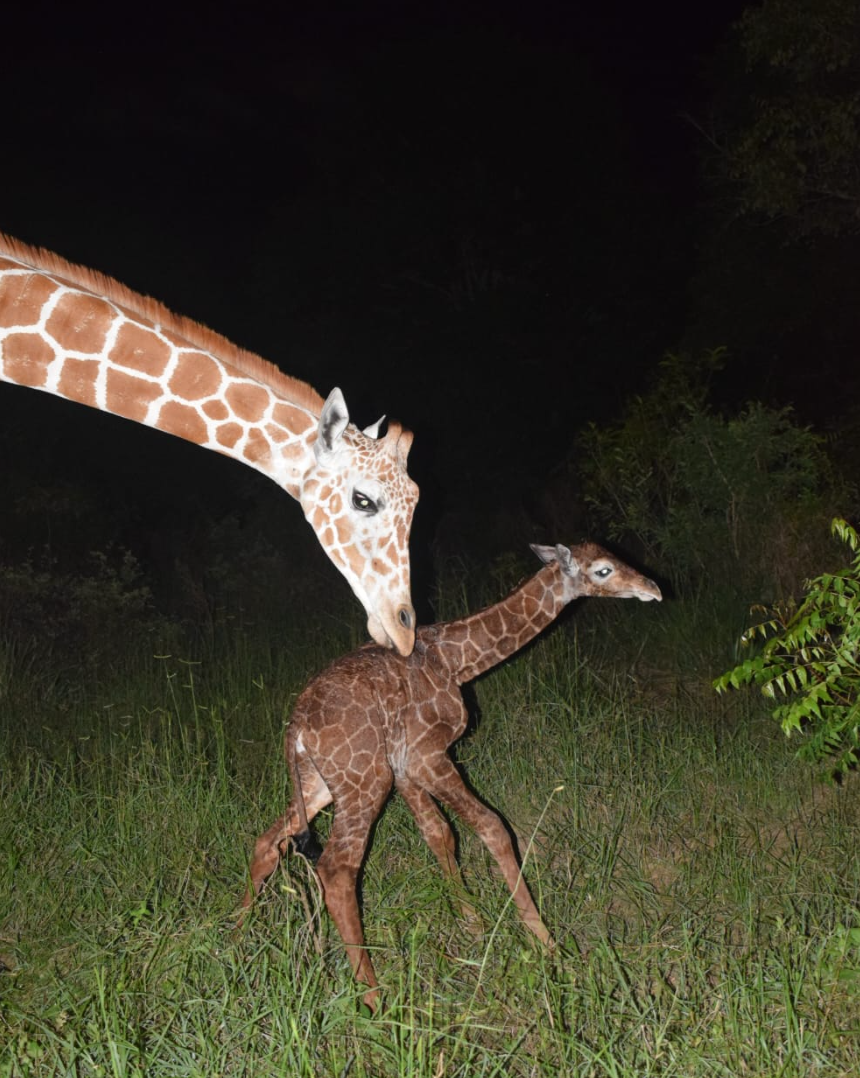
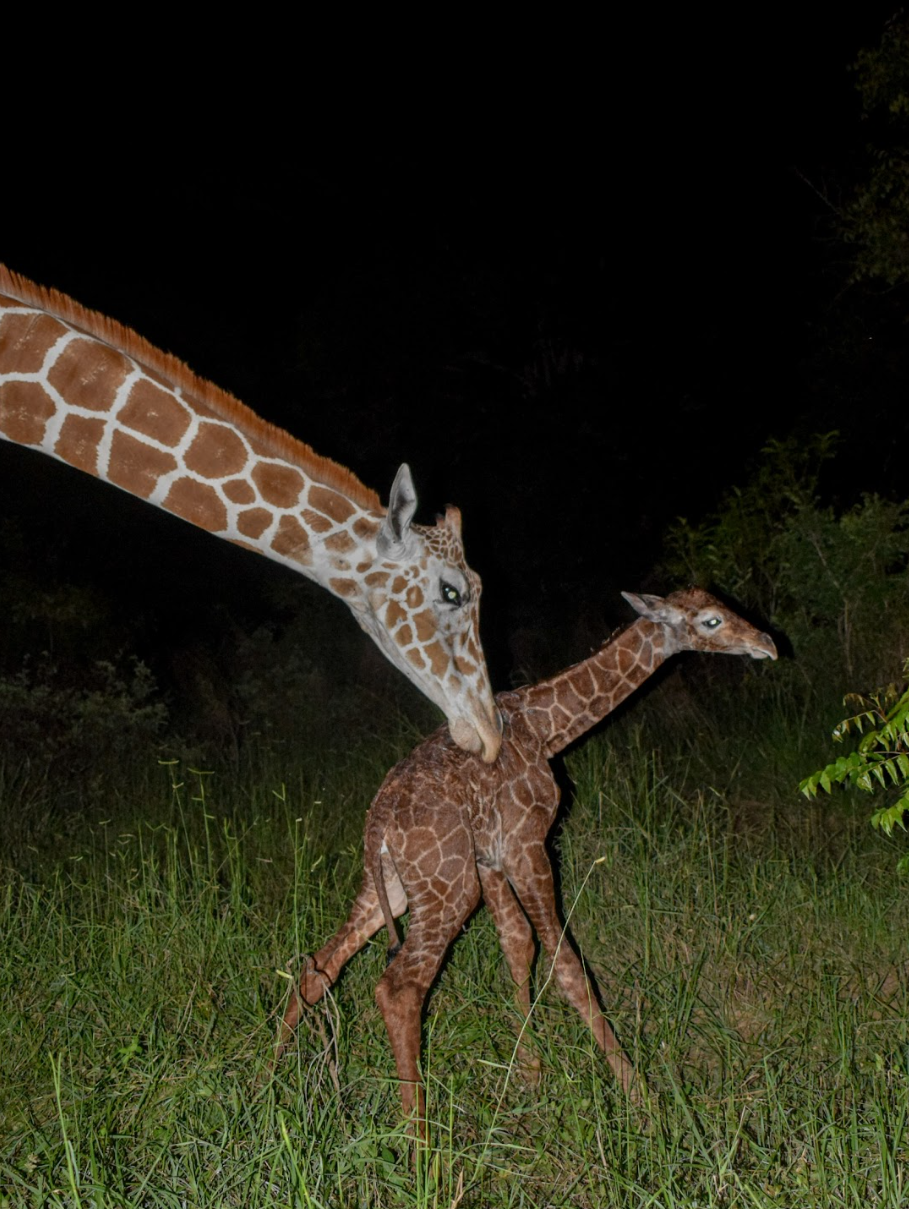
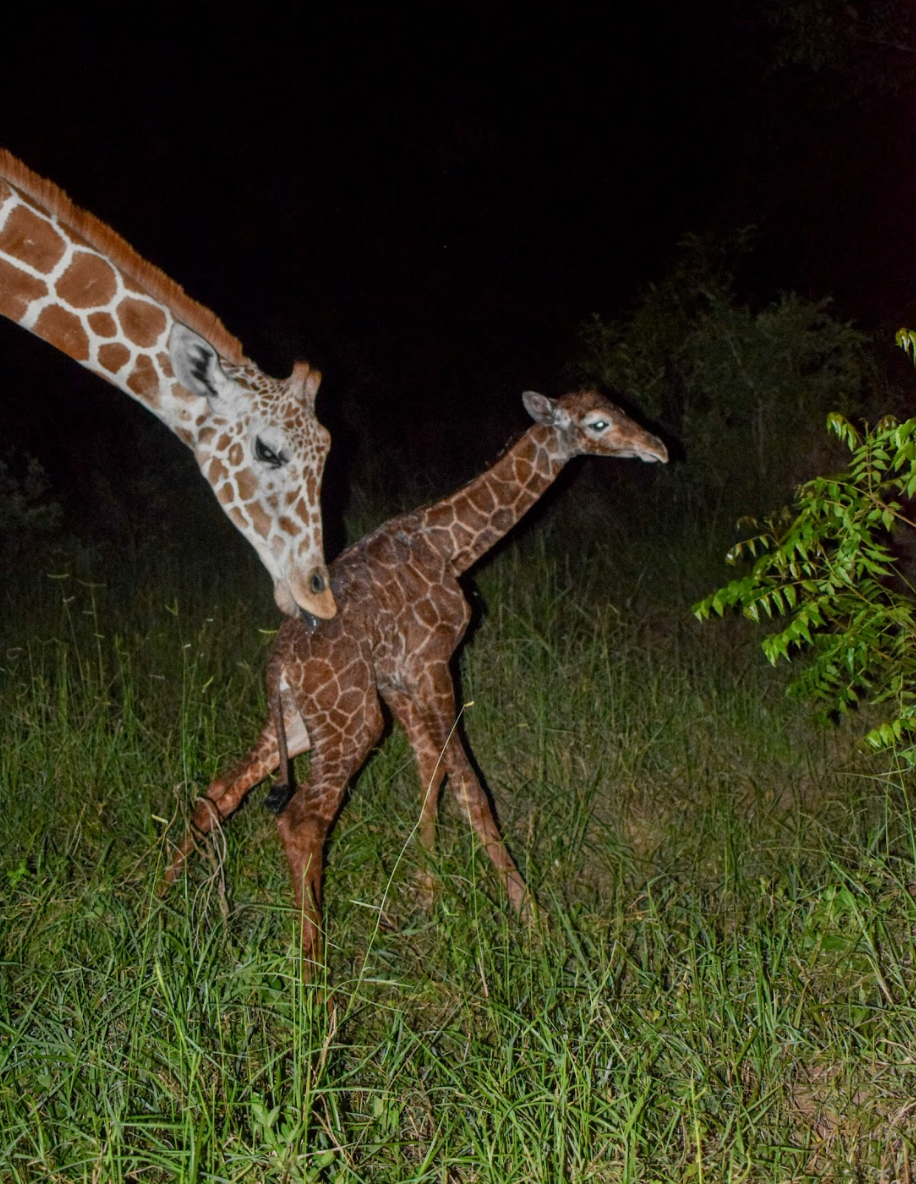
The giraffe birth at Vipingo Ridge Wildlife Sanctuary, which is also home to a growing herd of gazelles, impala, zebra, water buck, bush buck, lesser kudu, wildebeest, haartebeest, oryx and eland, is particularly important, as Reticulated giraffes are already listed as an endangered species.
Giraffes: The Silent Extinction
The number of giraffes has plummeted dramatically over the past three decades—by up to 40%.
Luna joins the Tower of Vipingo Ridge as our fourth giraffe and the first to be born within Vipingo Ridge Wildlife Sanctuary. Luna is born to two reticulated giraffes, popular and mischievous male Valentine, and mother Chaa.
Partners to the Winning Space for Wildlife programme IFAW reported there are just over 11,000 reticulated giraffes, categorised as an endangered giraffe subspecies left. Every new life is a win for our shared conservation efforts:
Vipingo Ridge CEO, Mr. Alex Horsey, expressed excitement over the Reticulated species boost, highlighting the real estate development’s passionate commitment to enhancing wildlife conservation by integrating wildlife into the facilities’ unique lifestyle development.
“At Vipingo Ridge, environmental sustainability remains one of our cherished operating priorities. We are investing heavily to provide an ecosystem fit for human living and one that firmly integrates wildlife, flora and fauna, as confirmed by our growing giraffe herd,” said Horsey.
Vipingo Ridge Wildlife Sanctuary is thriving with partners and support
The arrival of the baby giraffe to Valentine (male) and Chaa (female) represents an exciting milestone in both maturity and the thriving sanctuary ecosystem.
Both Valentine and Chaa, who were rescued from prolonged drought in Samburu (Valentine in November 2021, and Chaa in June 2022) have flourished thanks to dedicated care, including bottle-feeding on goat milk, weaning on camel milk, and enjoying fresh green trees and shrubs at Vipingo Ridge Wildlife Sanctuary.
Giraffes once roamed much of Africa but now occupy only a fraction of that range. The IUCN reports a 36–40 per cent decline in the population over the last 30 years, with roughly 97,500 giraffes remaining in Africa, down from over 150,000 in 1985.
The giraffe (Giraffa camelopardalis) is now threatened with extinction and has been listed as Vulnerable on the IUCN Red List. It is this concern that drives Vipingo Ridge to secure space for wildlife in support of giraffe conservation. This is a giraffe breeding program for reintroduction and repopulation into other areas with low or declining numbers, in partnership with Kenya Wildlife Services (KWS), the Wildlife Research and Training Institute (WRTI), and the Reteti Elephant Sanctuary through the Namunyak Wildlife Conservation Trust.
Read more about conservation at Vipingo Ridge Wildlife Sanctuary: