Conservation Conversations: Enabling Community and Media Dialogue
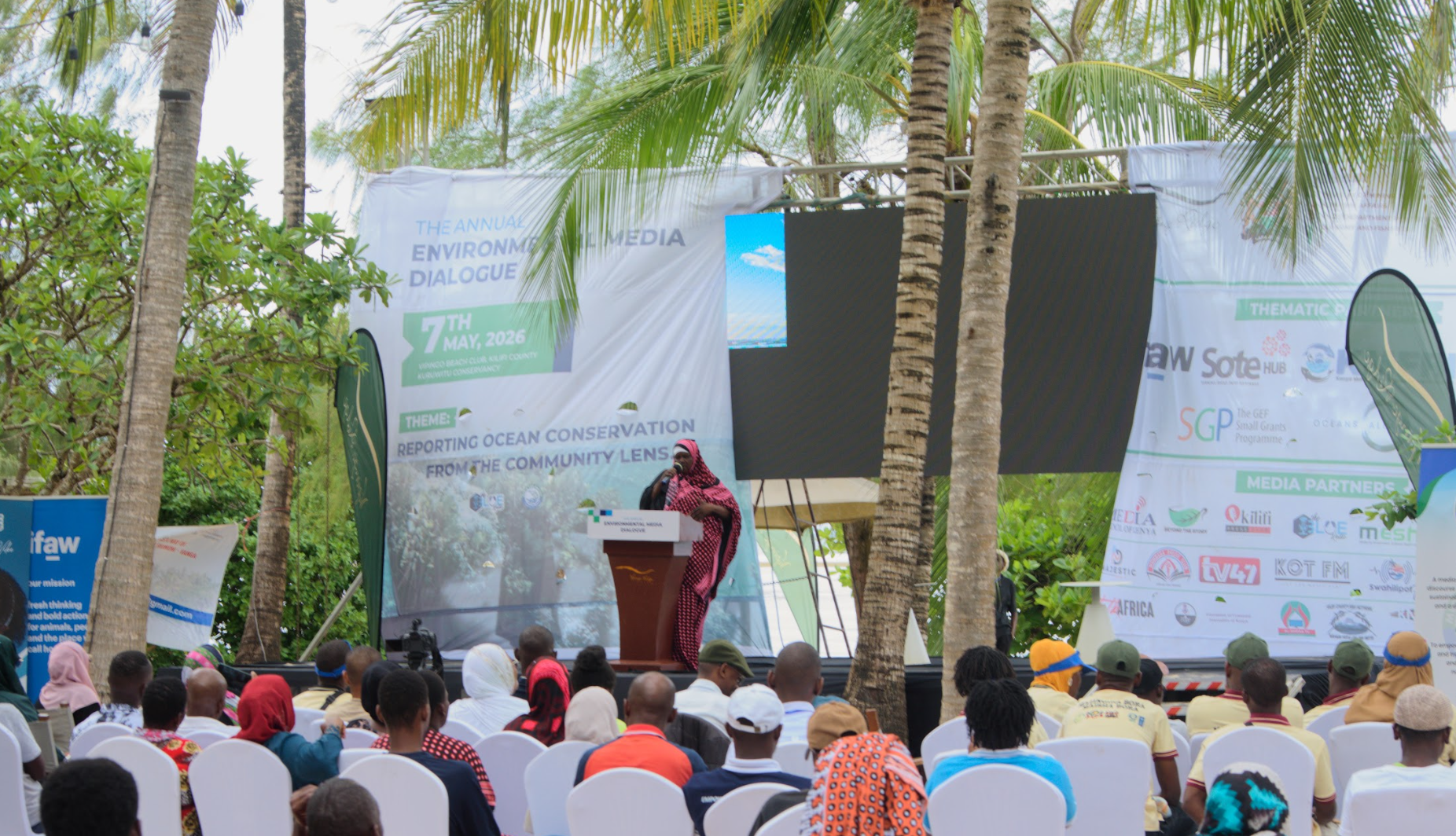
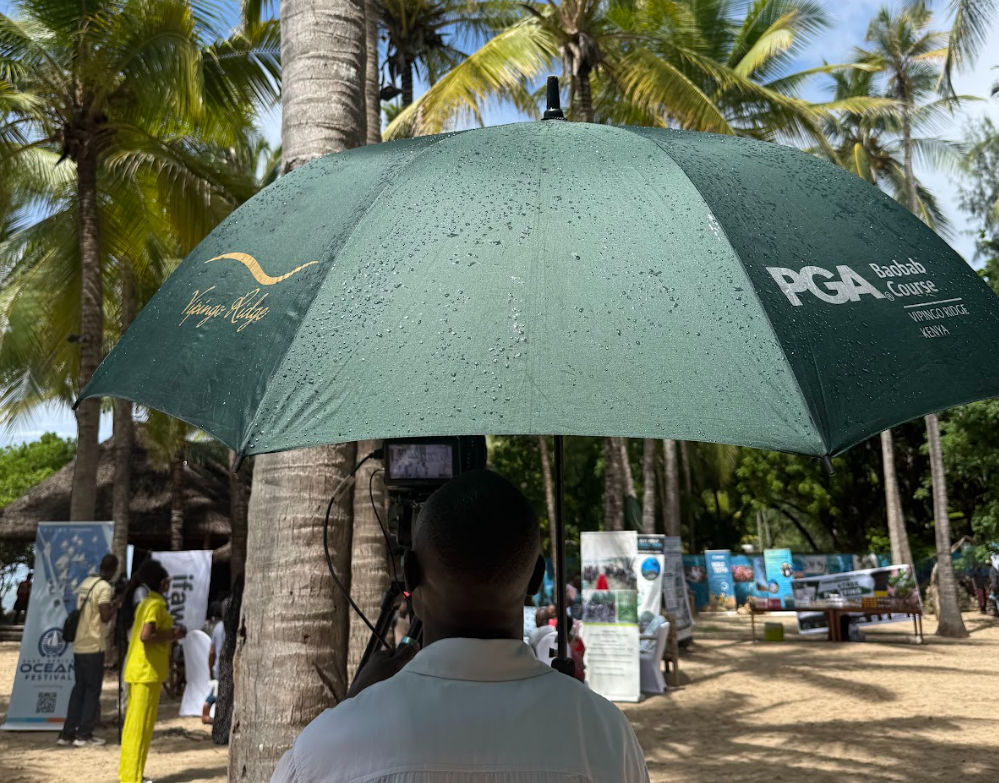
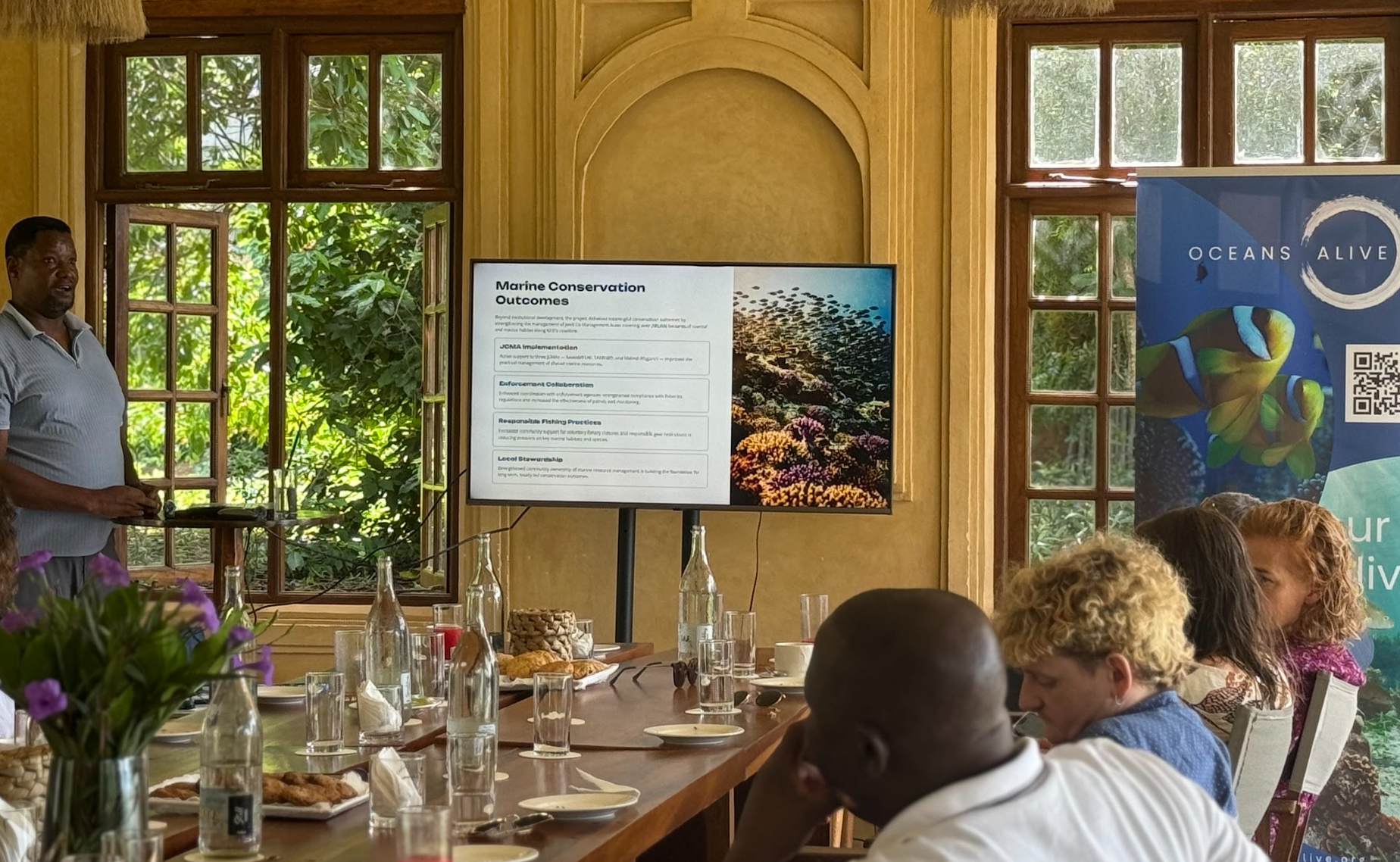
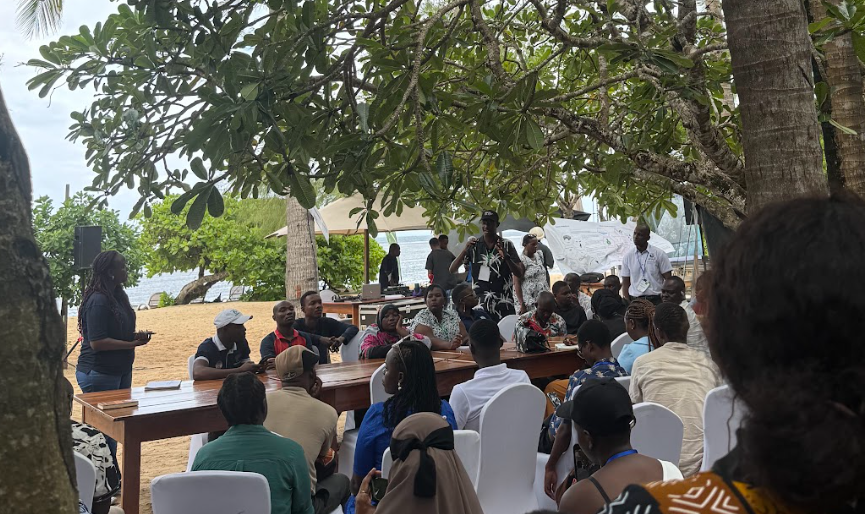
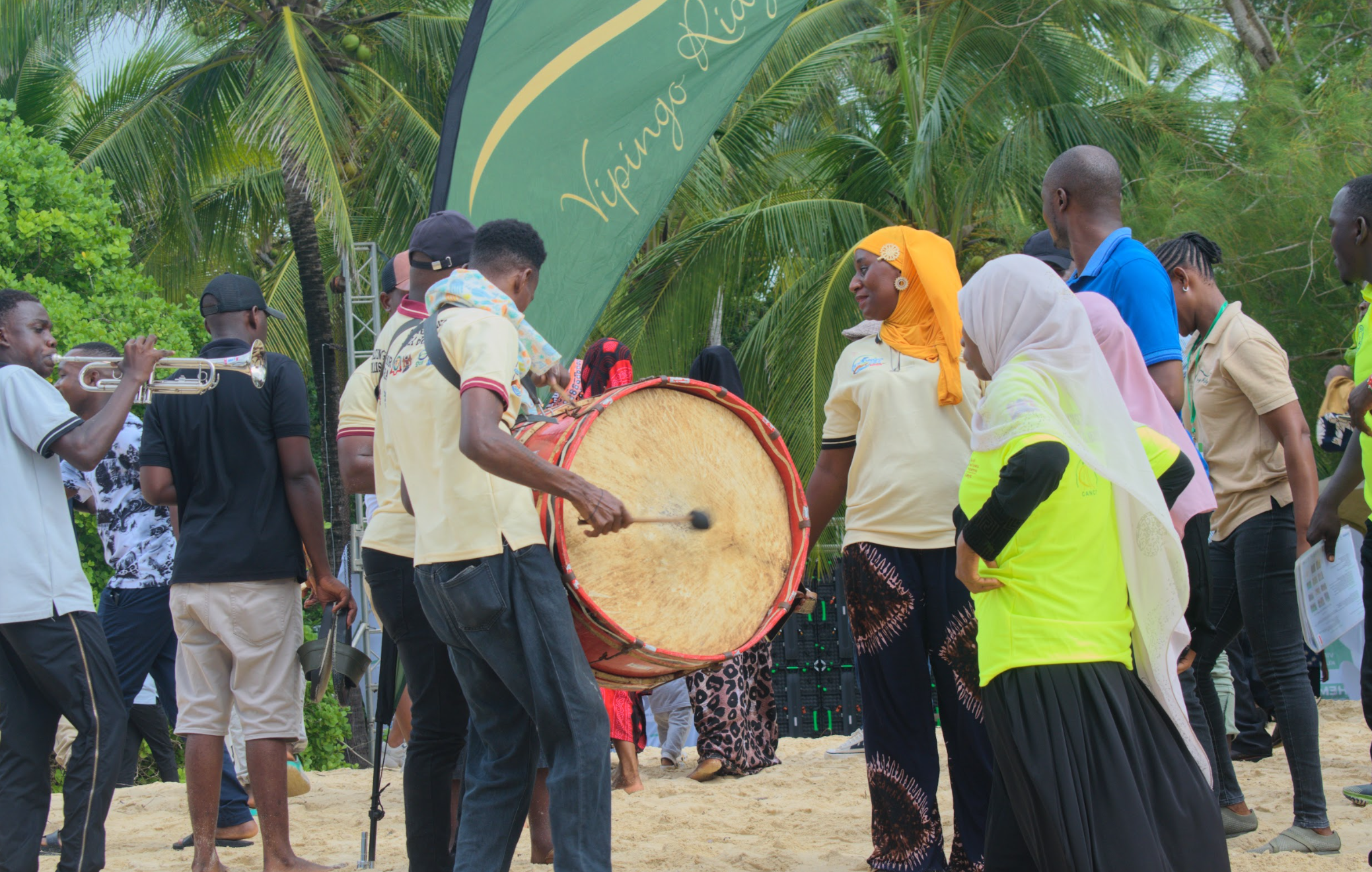
On Thursday, the 7th, the tranquil shores of Vipingo Ridge Beach Club transformed into a vibrant hub of ideas and action.
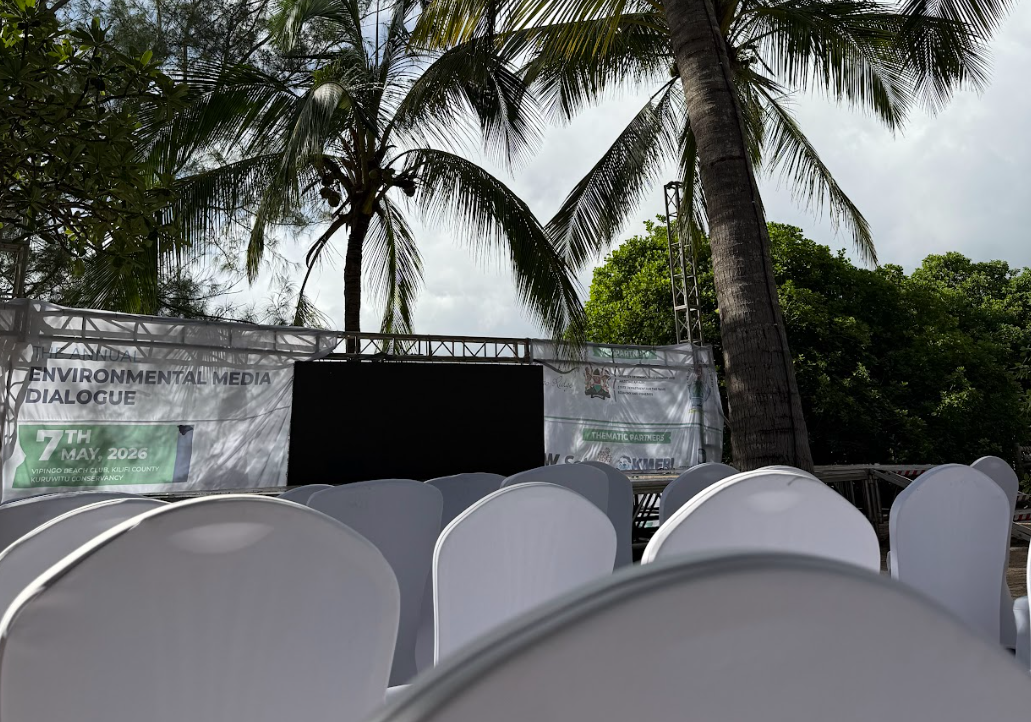
We were proud to host the 2nd Annual Environmental Media Dialogue, an event organized by Blue Radio and Media For Nature in partnership with a coalition of influential organizations: Sote Hub, Vipingo Ridge, Kenya Wildlife Service, Media Council of Kenya, Kilifi County Government and National Government Ministry of Mining, Blue Economy and Maritime Affairs.
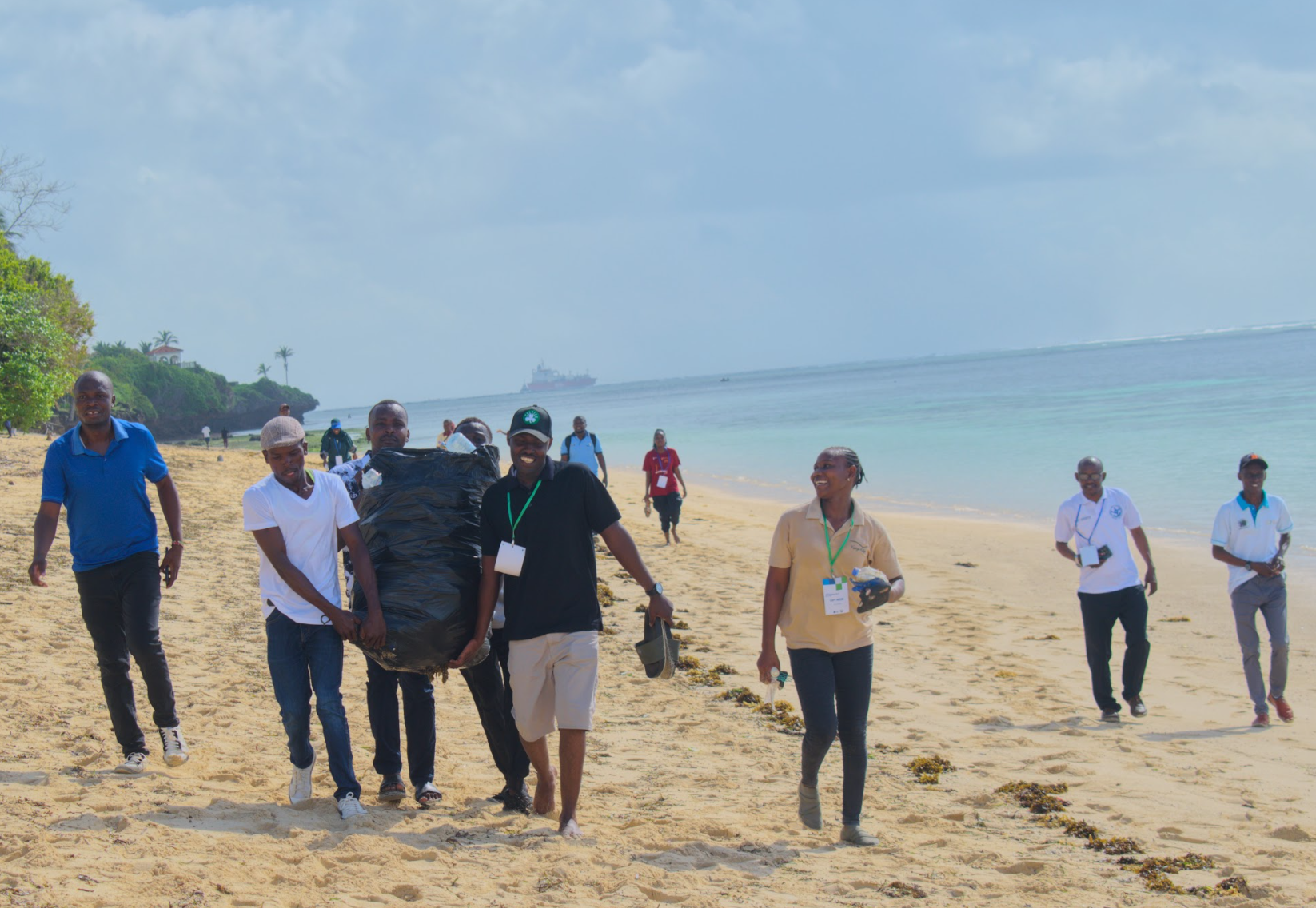
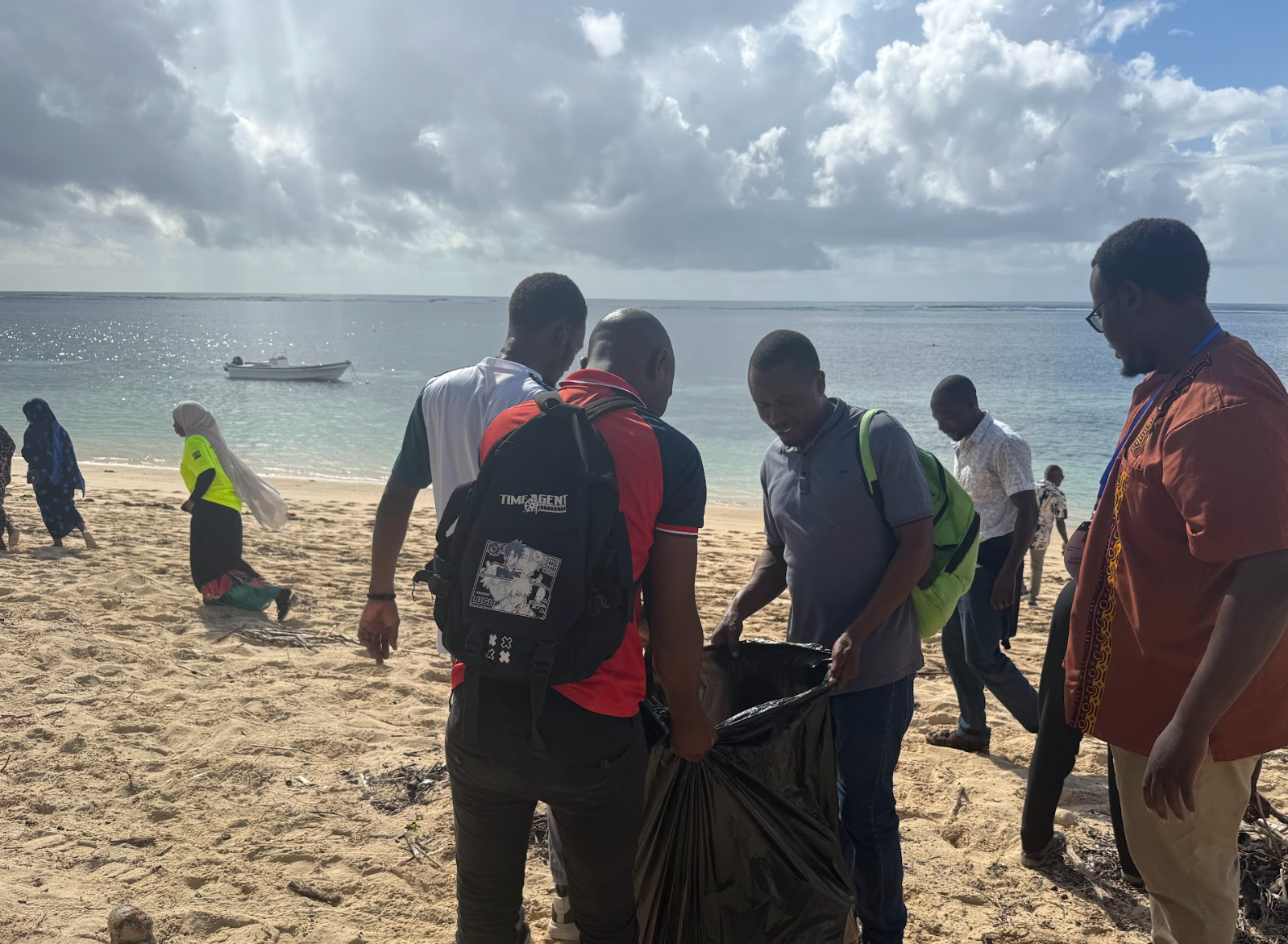
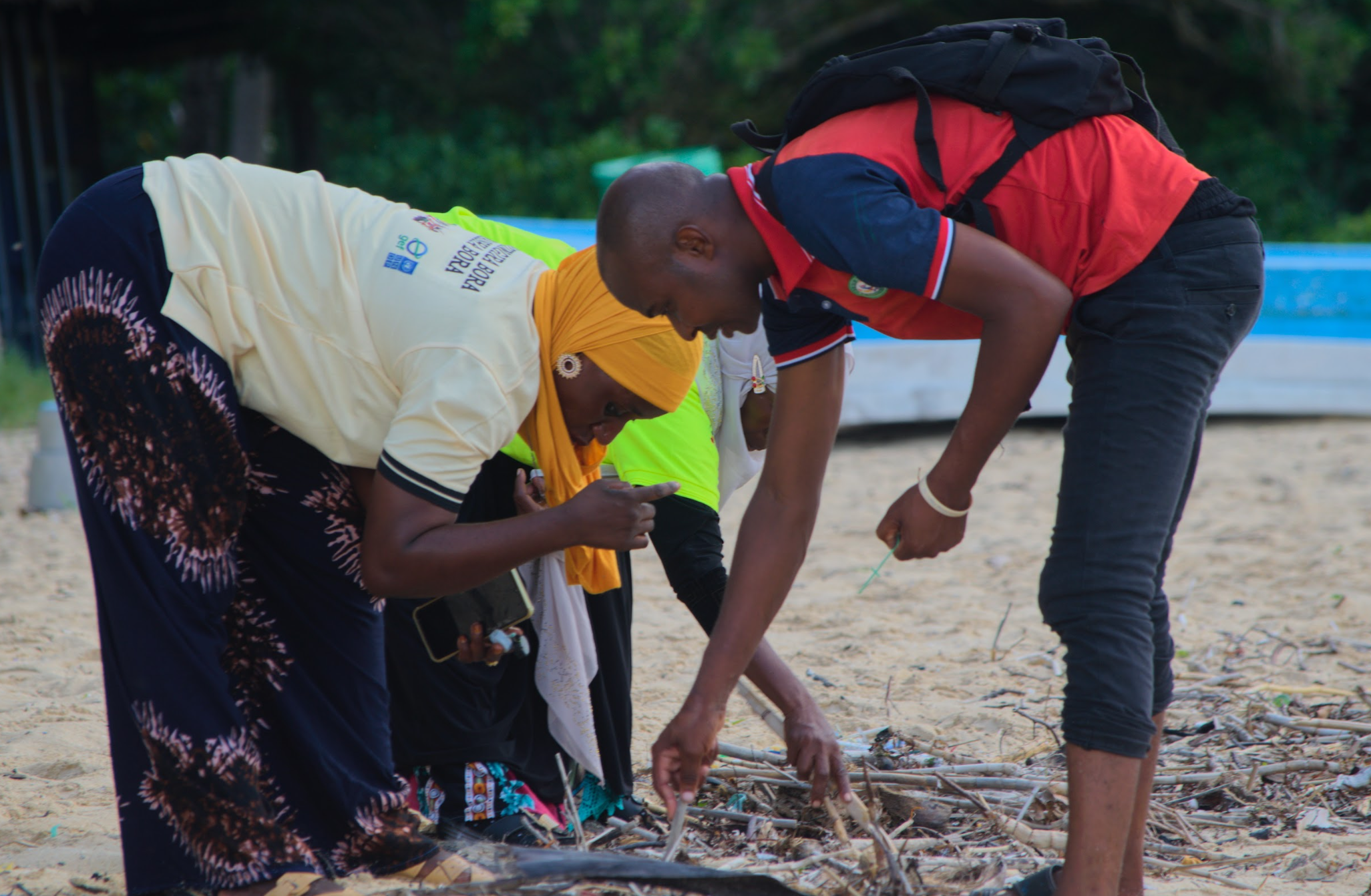
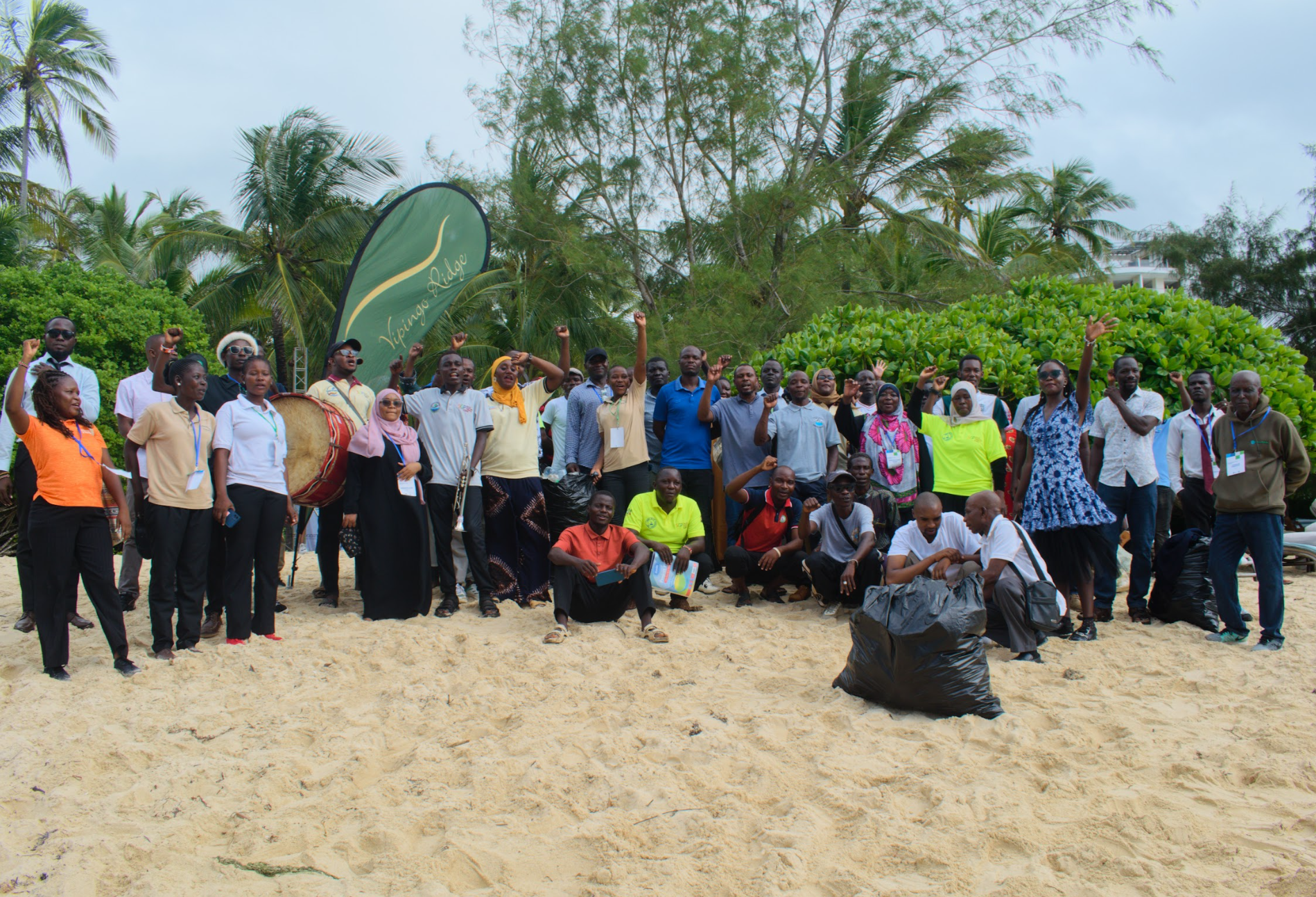
The dialogue was more than a conference; it was a decisive call to reshape how Kenya tells the story of its environment. Bringing together journalists, community champions, conservationists, and young entrepreneurs, the day bridged the gap between grassroots reality and media narrative starting with a symbolic beach clean-up before moving into deep, solution-driven discussions on marine species conservation, blue economy opportunities, sustainable livelihoods, and community-led conservation.
Setting the Scene: Science, Community, and Responsible Reporting
The opening session was led by Thomas Mazera Ndurya, Co-founder of MEDIA FOR NATURE and an editor at Blue Radio Kenya. With over three decades of experience as a science journalist, Mazera set a clear technical direction for the dialogue.
“This year, we are strengthening how media engages with science, community knowledge, and environmental realities,” Mazera said. He challenged journalists to learn the language of local champions not just to report disasters, but to amplify solutions, success stories, and practical, science-grounded alternatives.
His leadership underscored a powerful theme: environmental reporting must be accurate, responsible, and above all, impactful.
Local Voices: Community Leadership in Action
The dialogue’s heartbeat was the lived experience of coastal communities. Mariam Chitsaka, Chairperson of the Kuruwitu Conservation and Welfare CBO, delivered one of the most poignant moments of the day. Kuruwitu is widely recognized for its pioneering community-led marine protected areas, coral reef restoration, and conservation-based livelihoods.
Mariam did not hold back:
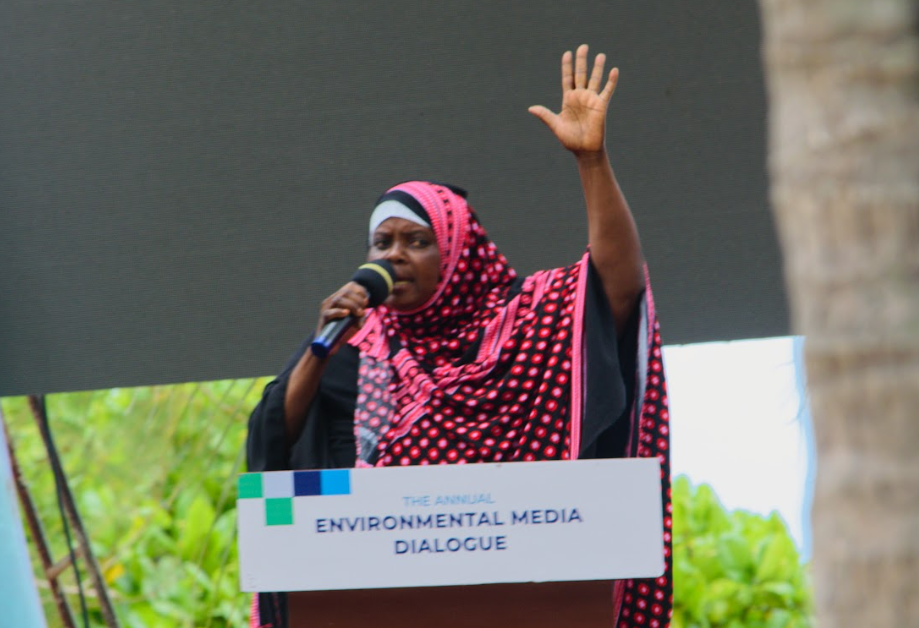
“I am very happy today because I have great hope that our grievances and our conversations will be broadcast everywhere so that this community-based organization can be recognized. Out of all the projects we handle, this is a world-first in terms of tourism. However, you will find that even though we as community members are the ones standing firm with all the marine knowledge, the government goes directly to the BMUs (Beach Management Units). They haven't recognized the specific conservation goals of the CBOs, yet we are the ones protecting the shoreline, guarding the mangroves, and restoring coral reefs to bring back diverse marine life.”
Her words were a powerful reminder that recognition must follow responsibility.
Echoing this sentiment was Charles Bemaronda from CANCO (Community Action for Nature Conservation), who brought hard data to support community pride:
“It was stated that the Kuruwitu area is performing much better than the Mombasa Marine Park. Those aren't my words that is what research shows… That is why from 2003 until now, the Kuruwitu project continues because the community themselves are driving it forward without needing pressure from external NGOs telling them what to do; they do it voluntarily.”
Richard Matano Bemaronda, Project Manager with CANCO and the GEF Small Grants Programme (UNDP), further enriched the conversation. Working across the Shimoni, Vanga, and Bodo Mwandamu seascape, Richard shared practical lessons on marine resource management, local success stories, and the ongoing challenges faced by coastal communities—strengthening the critical link between community action, conservation impact, and media storytelling.
Another compelling voice was Francis Thoya, creator of "Samaki Cookies" who reframed ocean conservation as a direct answer to malnutrition:
“We are now addressing the issue of malnutrition through our activities. The ocean is very important for us. We produce products from it, and also do research. There is a need to invest heavily in the ocean because it has vast benefits.”
Vipingo Ridge proudly supports coastal conservation
As hosts, we at Vipingo Ridge were honored to share our own conservation journey with the assembled guests.
Starting the Conversation with Action
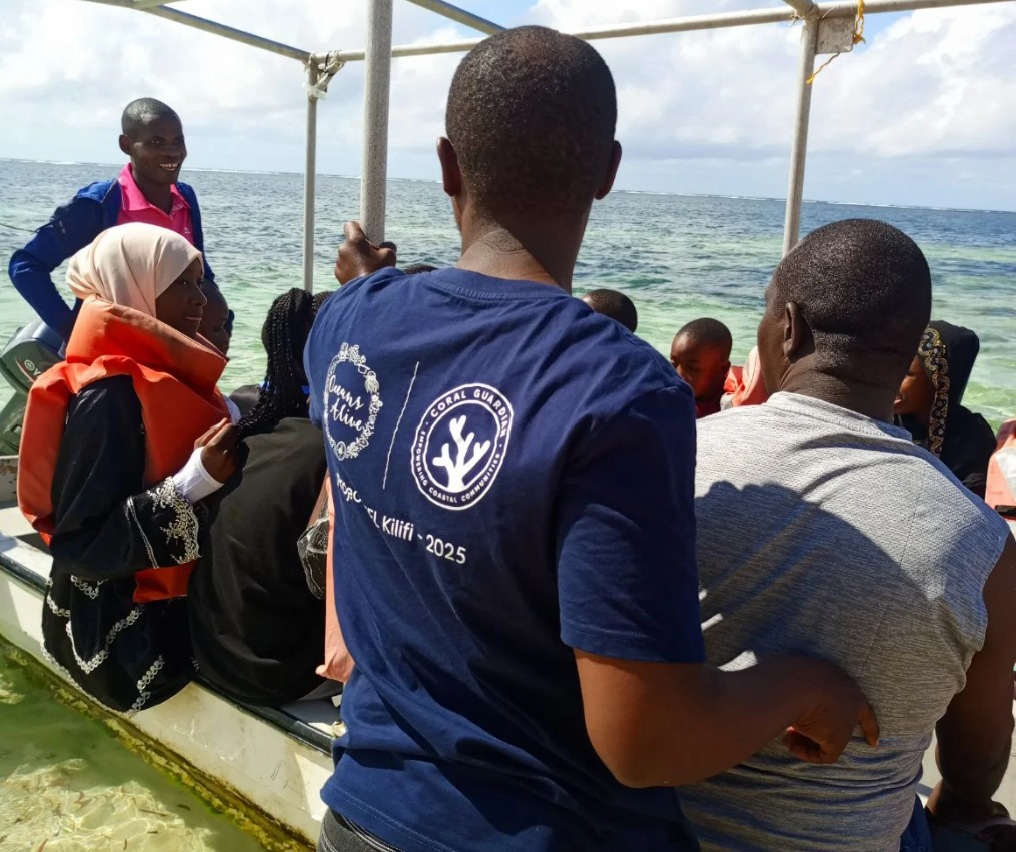
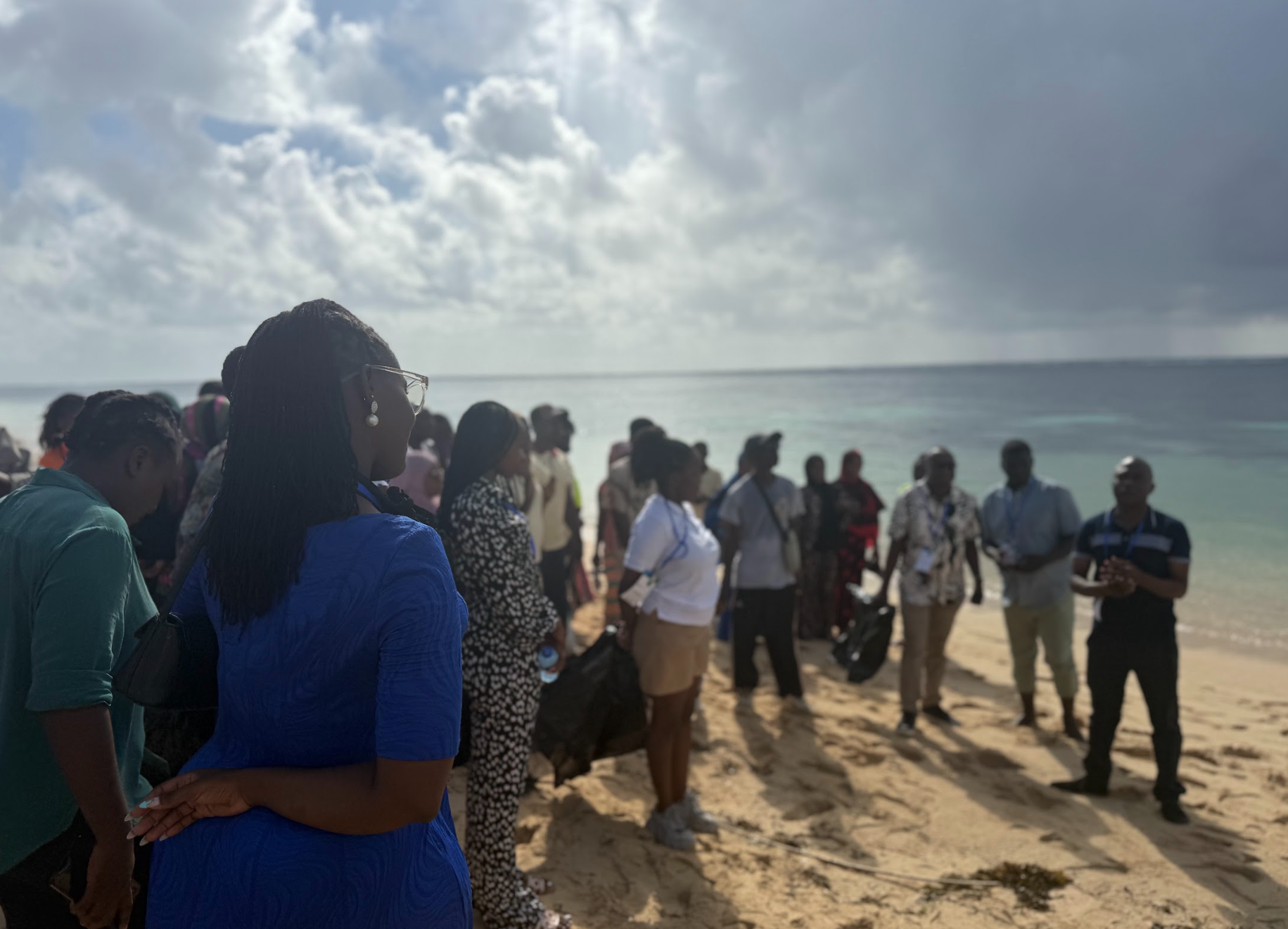
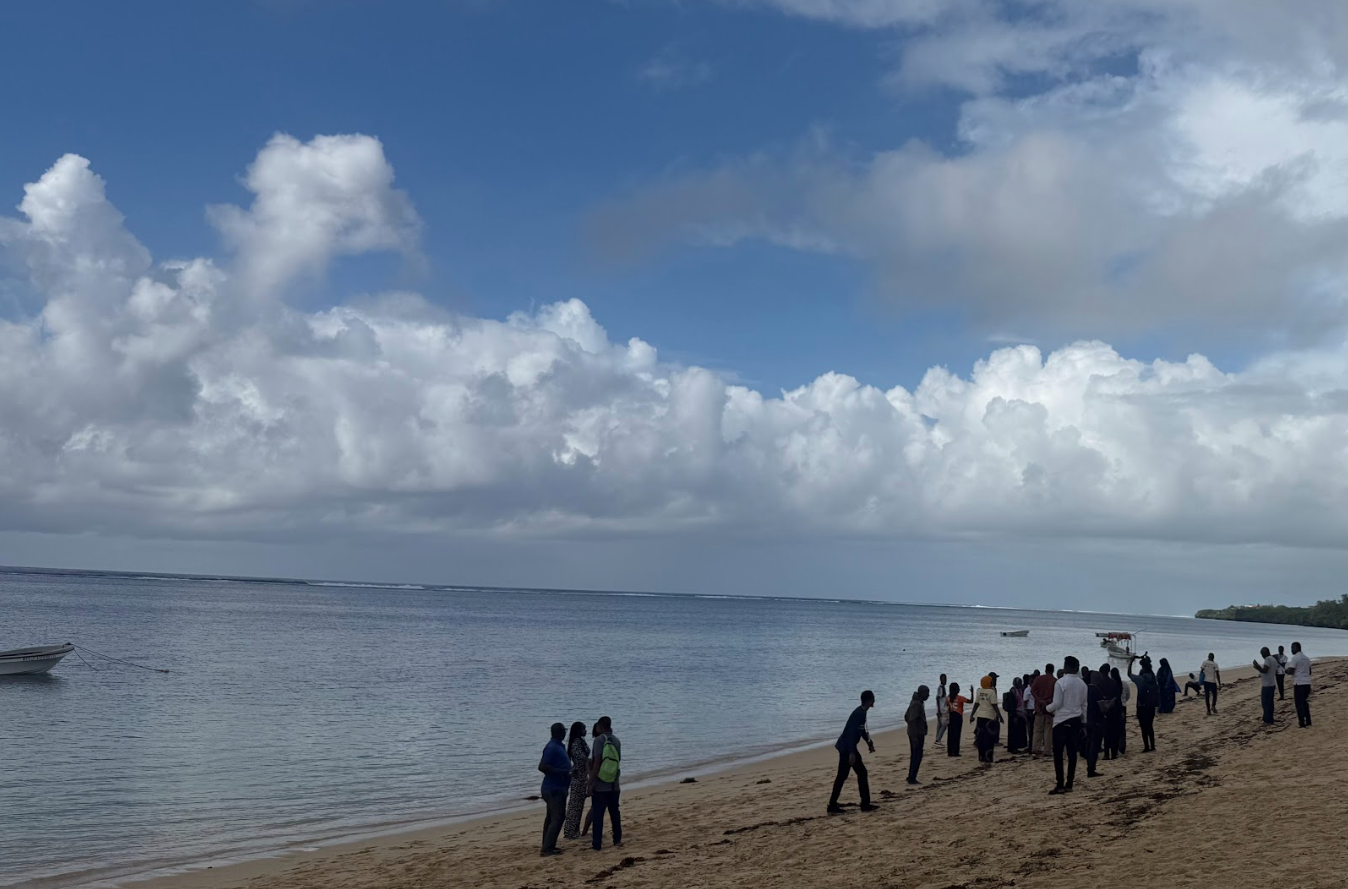
The morning started early with a fun, competitive beach clean up of Kuruwitu Beach. What better way to network and to start intentionally than come together to remove plastics and other litter from the beach front.
Vipingo Ridge: Protecting Blue Spaces
For 20 years Vipingo Ridge has been partnered with Kuruwitu Conservation and Welfare CBO and Oceans Alive Foundation, with the Vipingo Ridge Beach Club the venue for our shared community shop, kitchen garden and coral workshop. Our collaboration with the fishing community, raising awareness and supporting local incomes through ecotourism continues to strengthen.
Vipingo Ridge: Winning Space for Wildlife
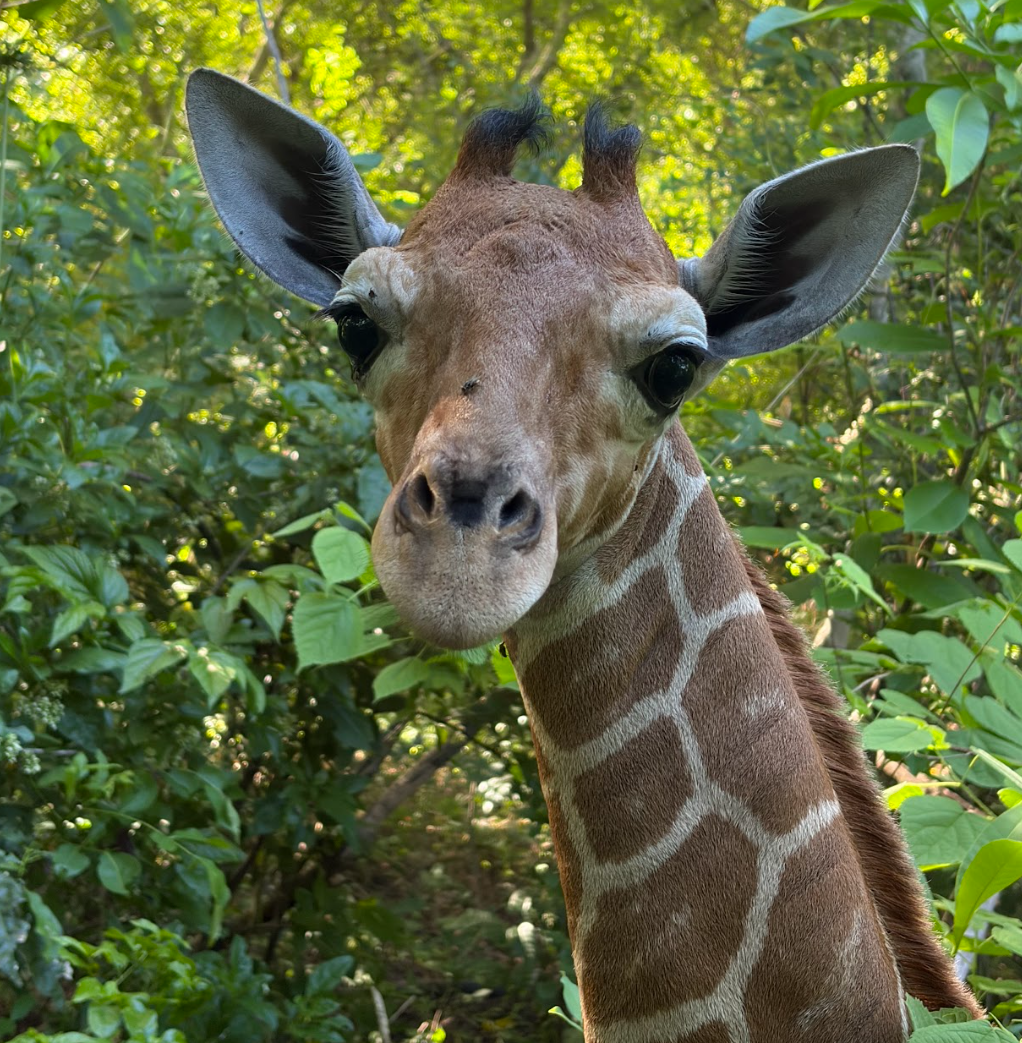
Our Winning Space for Wildlife Project is also part of our coastal habitat restoration. From 2006 to date thousands of trees have been planted as part of rewilding our 2,000 acre former sisal farm, with an emphasis on native trees. In 2020 we were able to achieve licensing to become a Wildlife Sanctuary in collaboration with the Kenya Wildlife Service, having created suitable habitats for rehoming coastal species.
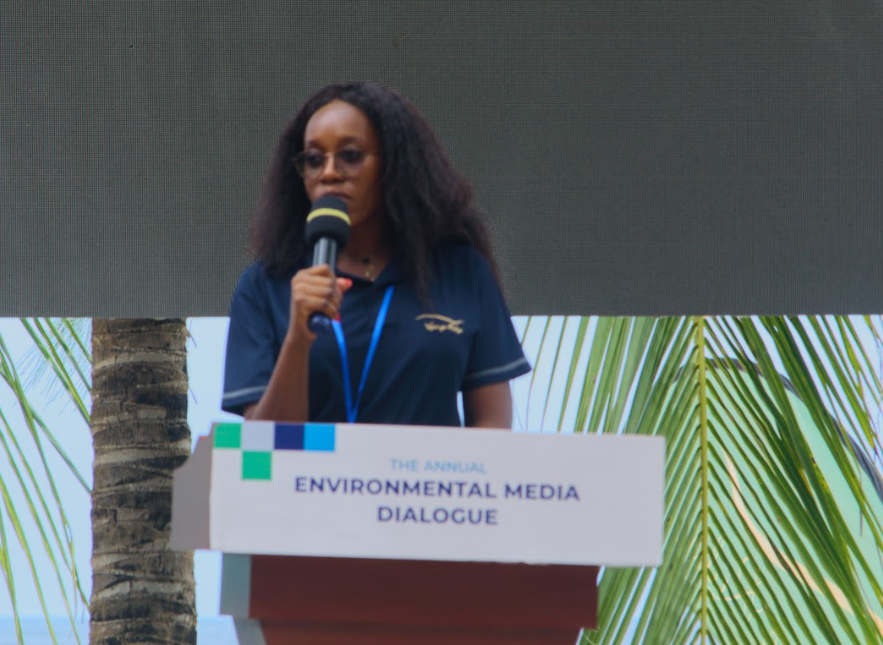
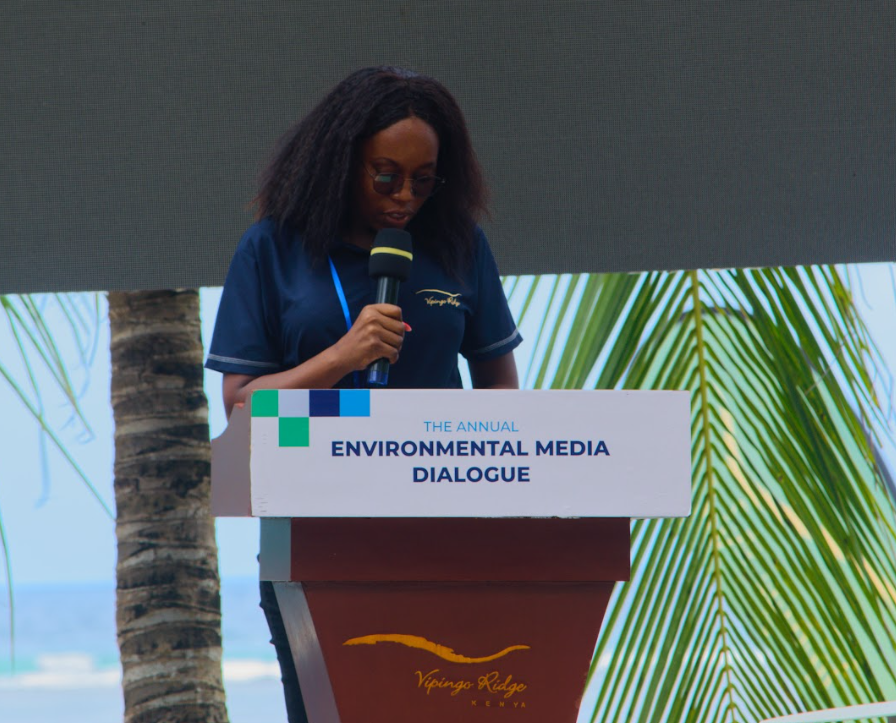
Our ESG Coordinator represented our Wildlife Sanctuary and our ocean partnerships: “We have giraffes, zebras, impalas, gazelles, waterbucks, wildebeests, and hartebeests. The main reason for starting this wildlife project is because we have enough space and have created a suitable environment. Many of the animals we have are rescued from areas affected by drought or human-wildlife conflict.”
Our sanctuary has seen remarkable success: 76 births within the first three years, with a calf survival rate of approximately 95% compared to 50% in the wild . This breeding success allows us to explore ‘restocking’ other KWS-recommended sites, enhancing genetic diversity across the coastal region .
It was a proud moment to show how a private sanctuary can serve as a haven for rescued wildlife while contributing to national conservation goals.
The Blue Economy and the Next Generation
No conversation about Kenya’s coastal future is complete without addressing the blue economy. Immaculate Kivindyo of Sote Hub shared staggering progress in youth and women’s empowerment:
“So far, we have mobilized and trained 13,383 young women and men, with a high concentration of women, who contribute to 70% of our participants. We work with local implementing partners in fisheries, aquaculture, mariculture, apiculture, coconut farming, value addition, and cassava… to enable them to grow enterprises that are thriving in the blue economy sector and also create employment locally.”
Her numbers were not just statistics they represented a generational shift toward sustainable livelihoods.
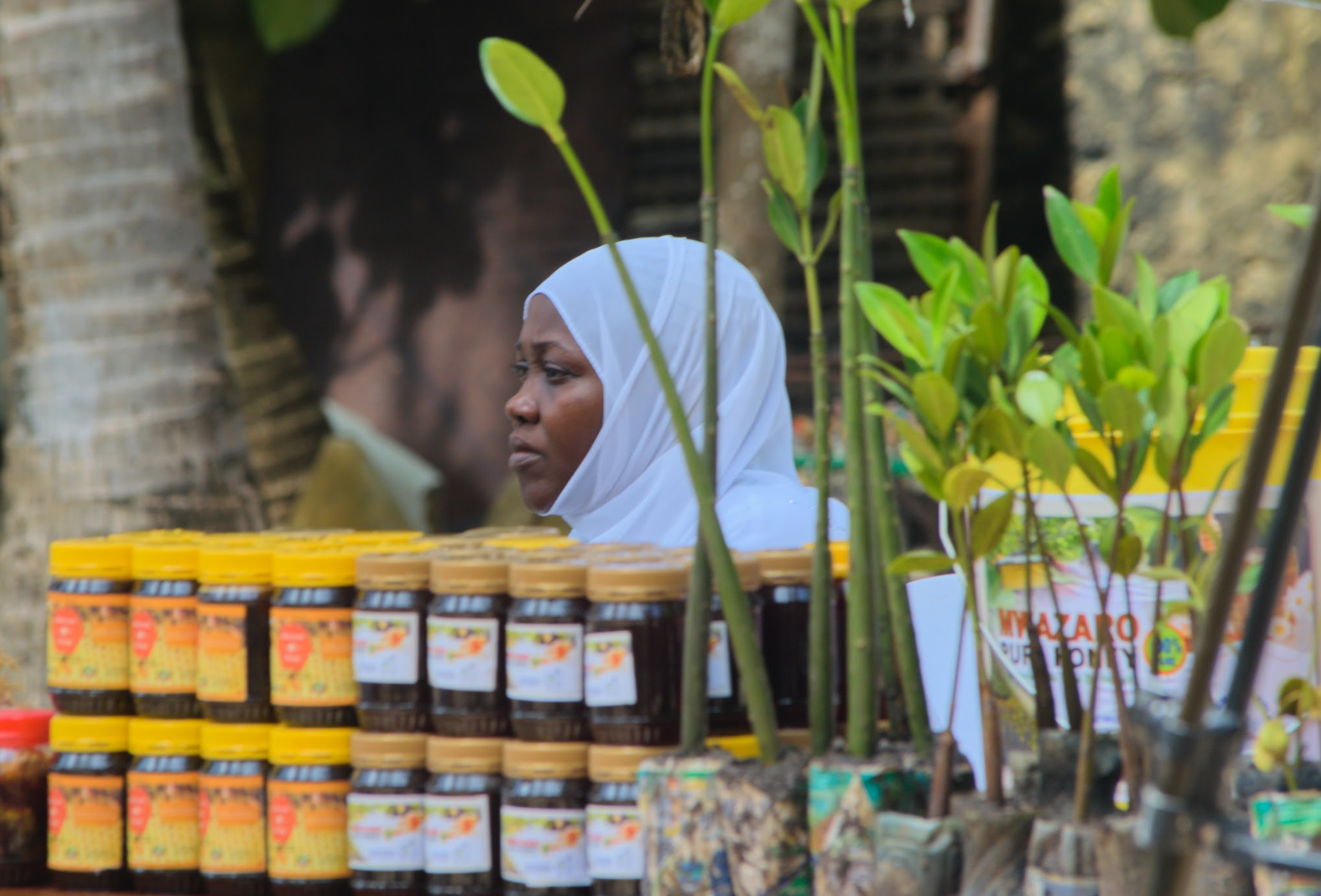
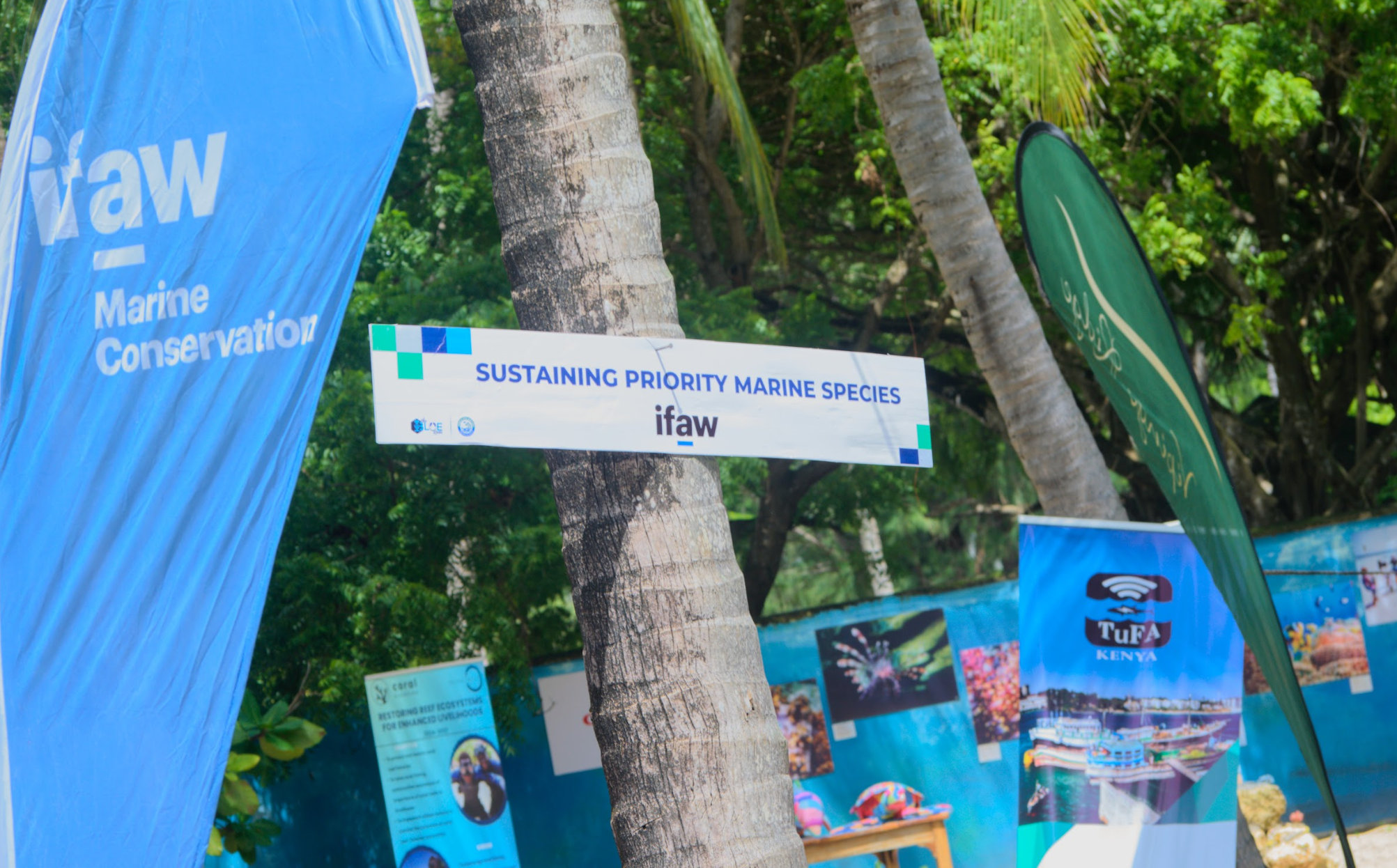
Photo Gallery from 2nd Annual Environmental Media Dialogue
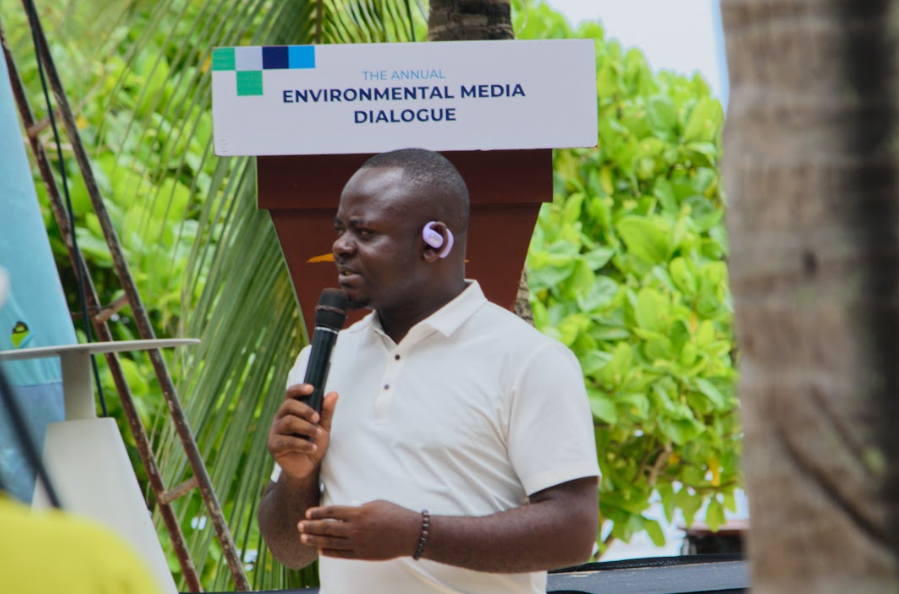
A Meeting of Minds: Other Environmental Leaders Present
Beyond the main speakers, the dialogue drew a wide array of environmental leaders, including representatives from the Kenya Wildlife Service, the Media Council of Kenya, the Ministry of Tourism and Wildlife, and the Kilifi County Government.
Journalists from across the coastal region, marine biologists, and community-based organization leaders filled the breakout sessions, ensuring that every discussion from marine species protection to sustainable tourism was grounded in both science and local reality.
Looking Ahead: The Our Ocean Conference
Gilbert Were, Founder of Blue Radio, placed the dialogue in a broader continental context, revealing why this gathering was so urgent.
“We are here also just to prepare most of our journalists because we know we have an upcoming big conference known as the Our Ocean Conference that will be happening in Kenya. It’s the first time that it’s coming to Africa… we found it necessary that our journalists who are based in the coastal area should be able to understand what the community is saying in terms of the environment.”
With that, the dialogue became not just a reflection on the past year, but a strategic runway toward one of Africa’s most significant ocean governance moments.
From Dialogue to Action
As the day came to an end at Vipingo Ridge Beach Club, the message was clear: the 2nd Annual Environmental Media Dialogue was not an endpoint but a launchpad.
The conversations held here about recognizing CBOs, investing in ocean benefits, training thousands of blue economy entrepreneurs, and preparing journalists for the Our Ocean Conference will ripple outward.
At Vipingo Ridge, we are proud to have provided the space where these voices could be heard. We remain committed to our role as a convener for conservation, a sanctuary for wildlife, and a partner to the communities and organizations shaping Kenya’s environmental future.
More Conservation and Community News from Vipingo Ridge: